
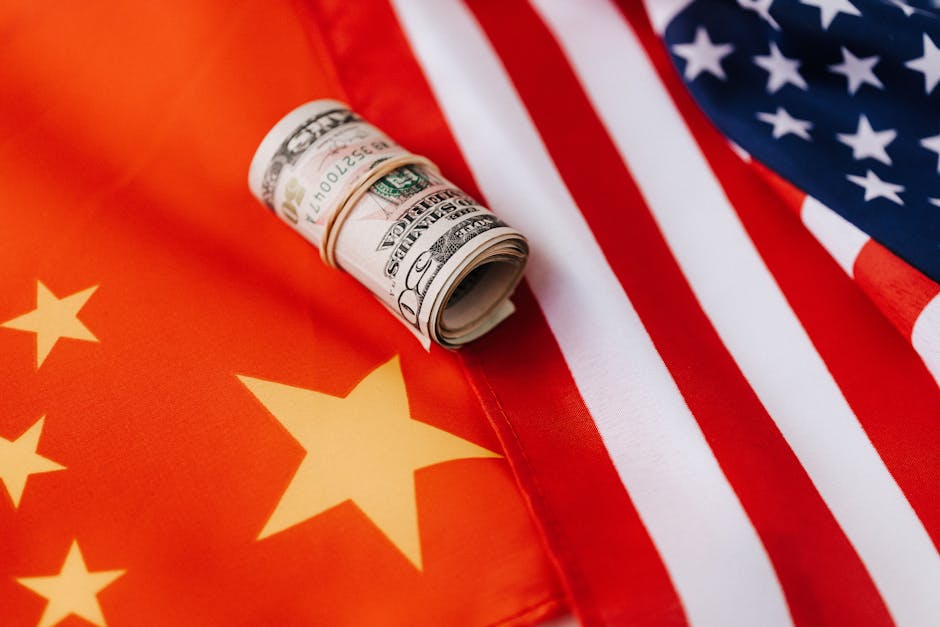
U.S. and China Extend Trade Truce Through January 10
Treasury Secretary Scott Bessent announced that the United States and China have agreed to extend their current trade truce. The agreement, which was originally scheduled to expire in November, will now remain in effect until January 10.
Market Narrative Detected
The media is framing this as a 'stability' event to prevent market panic, which benefits institutional investors who prefer predictable trade environments over volatility. If the public believes the trade war is 'paused,' they are more likely to remain invested in global equities.
The United States and China have reached an agreement to extend their ongoing trade truce, according to a statement from Treasury Secretary Scott Bessent. The current arrangement, which had been set to expire in November, will now continue through January 10. This extension provides a temporary window of stability for global markets and trade relations between the world’s two largest economies.
While the announcement confirms the extension of the current status quo, it remains unclear what specific conditions or negotiations will take place during this additional period. The trade truce has been a critical factor in managing economic tensions, and the extension suggests a mutual desire to avoid immediate escalation as both nations navigate complex trade policies. Market participants have been closely watching these developments, as any disruption in trade relations between the U.S. and China typically has significant ripple effects on global supply chains and financial markets. The extension serves as a brief reprieve, though the long-term trajectory of the trade relationship remains subject to further policy decisions from both Washington and Beijing.
📡 Media Analysis
How each outlet framed the story — angles, word choices, and what they chose to push or ignore.
Reported the bare-bones facts of the Treasury Secretary's announcement without adding context or analysis.
"agreed to extend their trade truce"
🔍 What Nobody's Reporting
- ·Lack of comment or confirmation from Chinese officials regarding the agreement.
- ·No information provided on what happens after January 10 or why that specific date was chosen.
- ·Absence of context regarding the specific trade issues currently under negotiation.
📰 Sources
0 A-rated source(s) among 1 total. Lowest trust: CNBC Business (B)