
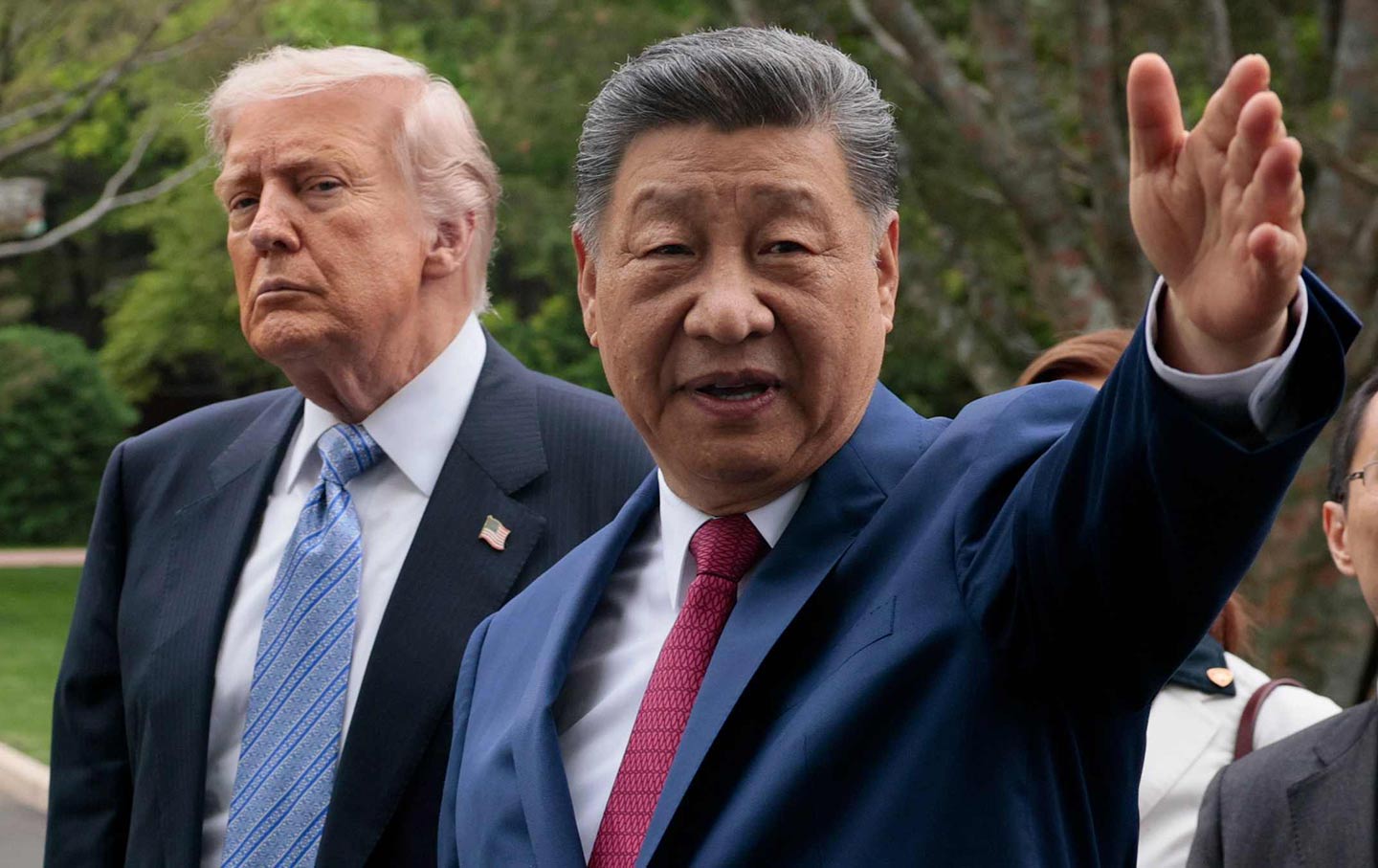
U.S.-China Relations Strained Over Differing Views on Globalization
Tensions between Washington and Beijing remain high as American officials increasingly attribute domestic economic challenges to China's development model. This shift in perspective has created a difficult environment for diplomatic progress ahead of high-level meetings.
The diplomatic relationship between the United States and China is currently defined by a fundamental disagreement regarding the consequences of global economic integration. According to analysis from The Nation, the primary source of friction is a growing consensus in Washington that China’s state-led development strategy is responsible for the negative outcomes of globalization within the American economy.
American policymakers have increasingly characterized China’s economic rise not as a neutral market development, but as a strategic challenge that undermines U.S. interests. This narrative suggests that Washington views China’s industrial policies as a form of betrayal of the global economic order that the U.S. helped establish. Consequently, the prospects for productive dialogue during upcoming visits by Chinese leadership are viewed as dim, as both nations remain locked in a cycle of blame.
While the U.S. perspective emphasizes the need to protect domestic industries and national security, the Chinese perspective—often framed as a response to Western containment—argues that their development is a legitimate exercise of economic sovereignty. The two sides remain at odds over whether the current economic tensions are the result of China’s specific trade practices or a broader failure of the globalized system itself. As Washington continues to prioritize decoupling or 'de-risking' strategies, the diplomatic space for reconciliation appears to be narrowing.
📡 Media Analysis
How each outlet framed the story — angles, word choices, and what they chose to push or ignore.
Argues that Washington is using China as a scapegoat for the systemic failures of globalization.
"betrayal Washington Cannot Forgive"
✓ Only outlet to report: Identifies the specific narrative shift where American leaders blame China for the broader failures of globalization.
⚡ Where Sources Disagree
- ·Whether China's development is a legitimate economic evolution or a deliberate betrayal of global trade norms.
🔍 What Nobody's Reporting
- ·Lack of specific examples of the 'failures of globalization' cited by U.S. officials.
- ·Absence of the Chinese government's official response to these specific accusations.
📰 Sources
0 A-rated source(s) among 1 total. Lowest trust: The Nation (B)