
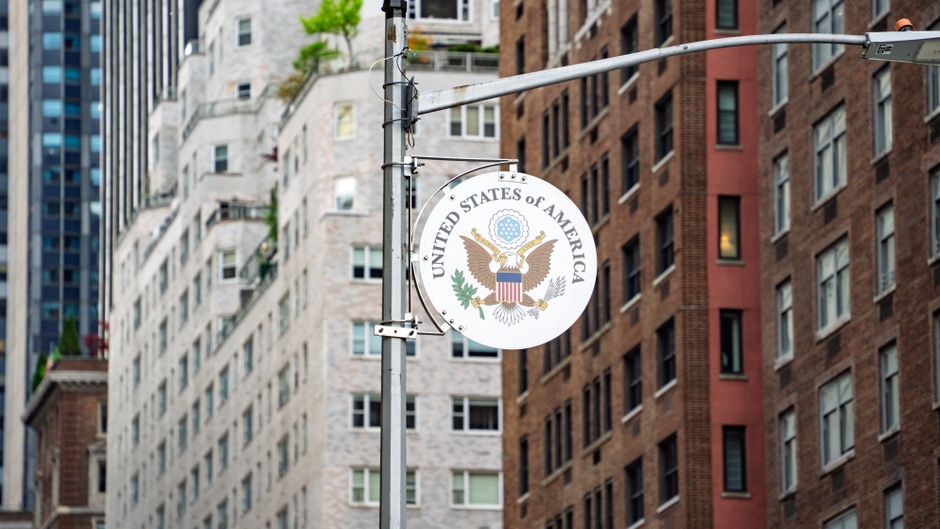
U.S. Embassy Issues Travel Advisory for Middle East Amid Rising Iran Tensions
The U.S. Embassy has issued a formal warning advising citizens to seriously reconsider travel to the Middle East. This advisory comes as regional tensions involving Iran continue to escalate.
The United States Embassy has issued a security alert urging American citizens to reconsider travel plans to the Middle East. The advisory, prompted by heightened geopolitical instability, highlights growing concerns regarding regional security as tensions between Iran and other regional actors intensify.
While the specific details of the intelligence driving this warning remain classified, the move reflects a broader U.S. government effort to mitigate risks to its citizens abroad. The advisory serves as a precautionary measure, suggesting that the current environment in the Middle East is volatile and subject to rapid change. Travelers are being encouraged to monitor local news and maintain a high level of vigilance if they are currently in the region or planning to visit.
There is currently no consensus among international observers regarding the specific timeline or nature of a potential escalation. Some analysts suggest this is a standard diplomatic precaution, while others view it as a signal that the U.S. government has received credible information regarding imminent threats. The embassy has not provided a specific list of countries to avoid, but the warning is broad enough to encompass the wider region, reflecting the interconnected nature of current security threats.
📡 Media Analysis
How each outlet framed the story — angles, word choices, and what they chose to push or ignore.
Provided a brief, headline-driven summary of the alert without deep analysis.
"seriously reconsider"
⚡ Where Sources Disagree
- ·The specific geographic scope of the 'Middle East' warning remains undefined by the embassy, leading to varying interpretations of which countries are at the highest risk.
🔍 What Nobody's Reporting
- ·Lack of specific information on which countries are considered high-risk versus those that are relatively stable.
- ·Absence of comment from Iranian officials regarding the U.S. advisory.
📰 Sources
0 A-rated source(s) among 1 total. Lowest trust: Haaretz (B)