
U.S. Faces Pressure to Develop Rare Earth Magnet Alternatives Independent of China
A group of Boston-based scientists and entrepreneurs is working to develop new metal-refining methods to reduce reliance on Chinese rare earth magnets. The initiative highlights growing concerns regarding the security of the U.S. defense supply chain.
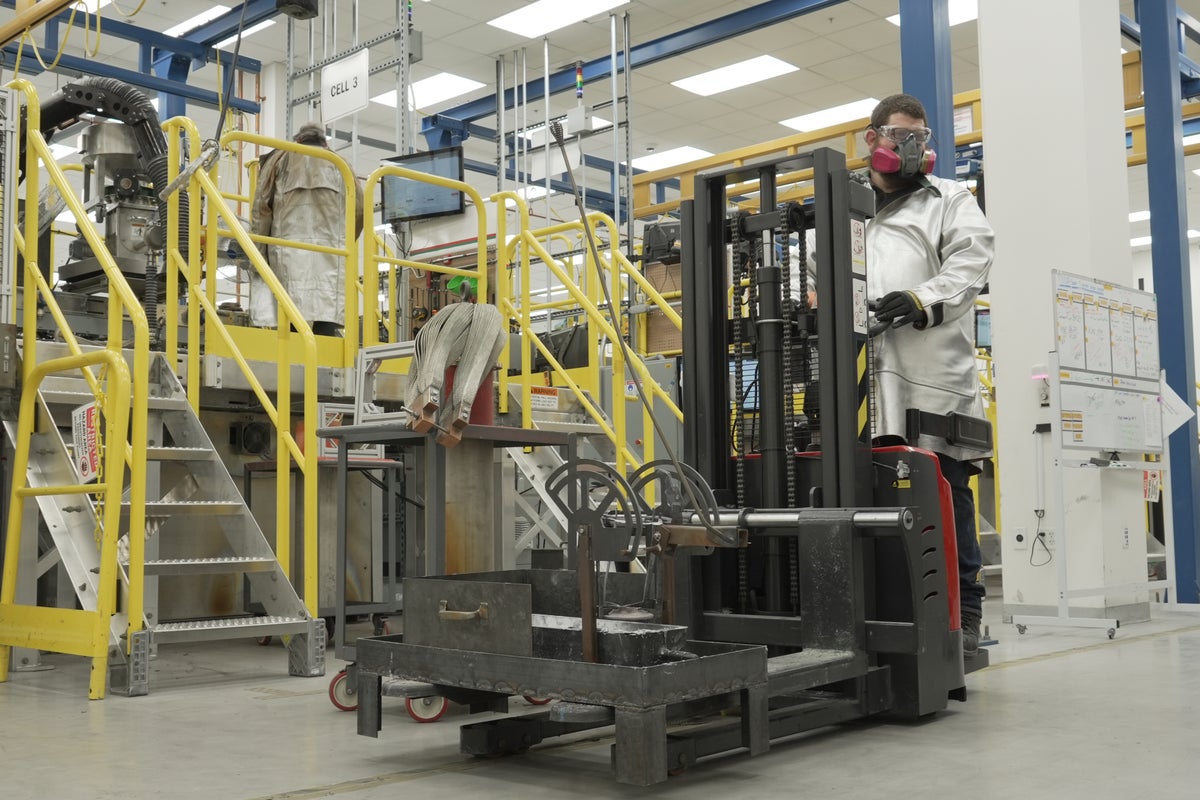
A small group of scientists and entrepreneurs, operating out of a Boston laboratory since 2018, is currently working to develop new methods for refining metals. Their primary goal is to create rare earth magnets that can be manufactured without relying on supply chains currently dominated by China. This effort comes amid increasing pressure on the United States to secure its defense industrial base and ensure that critical components for weaponry can be produced domestically or through friendly nations.
Rare earth magnets are essential components in a wide array of modern technology, ranging from electric vehicle motors to advanced military hardware. Because China currently controls a significant portion of the global processing capacity for these materials, U.S. policymakers have expressed concern that the defense sector is vulnerable to supply chain disruptions or geopolitical leverage. The Boston-based team is attempting to introduce cleaner, more efficient refining processes that could potentially lower the barrier to entry for domestic production.
While the project is framed as a technological solution to a national security challenge, the path to commercial viability remains uncertain. Scaling up laboratory-level refining techniques to meet the massive demands of the global defense and consumer electronics markets presents significant engineering and economic hurdles. The initiative underscores a broader trend in U.S. industrial policy, which seeks to 'de-risk' the economy by fostering domestic alternatives to Chinese-sourced critical minerals and components.
📡 Media Analysis
How each outlet framed the story — angles, word choices, and what they chose to push or ignore.
Framed the story as an innovative grassroots solution to a complex geopolitical supply chain problem.
"backyard lab"
✓ Only outlet to report: Identified the specific origin of the project as a small group of scientists and entrepreneurs in Boston starting in 2018.
🔍 What Nobody's Reporting
- ·Lack of comment from Chinese officials or industry representatives regarding the impact of these potential alternatives.
- ·No analysis of the specific cost-competitiveness of these new refining methods compared to established Chinese processes.
📰 Sources
0 A-rated source(s) among 1 total. Lowest trust: The Independent (B)