
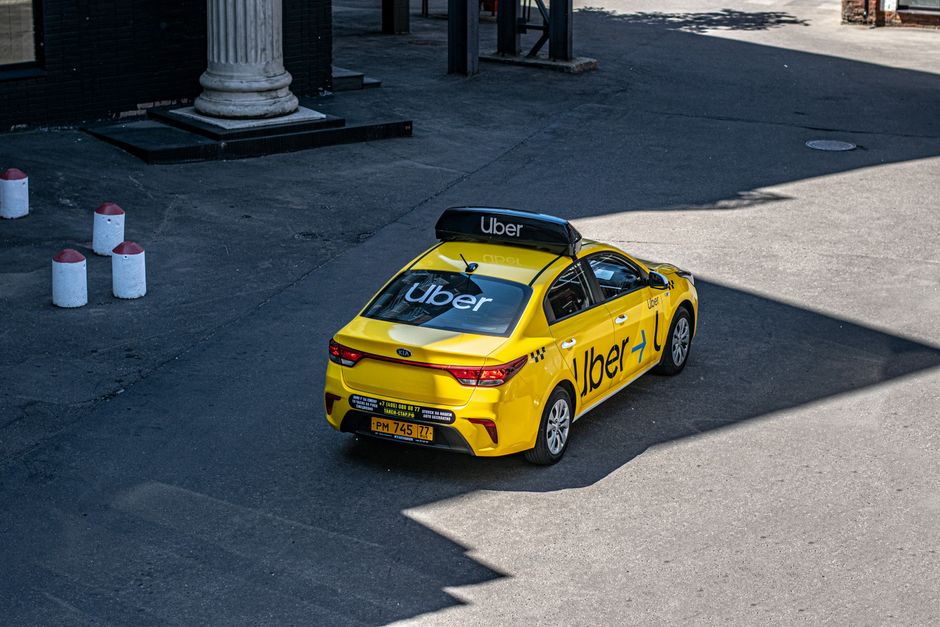
Uber Proposes Hybrid Strategy Combining Robotaxis with Human Drivers
Uber is developing a business model that integrates autonomous vehicles with its existing human-driven fleet. The company aims to increase the profitability of expensive robotaxis by utilizing human drivers to handle demand during times or locations where autonomous technology is less efficient.
Uber is currently refining its strategy for an autonomous future by emphasizing a hybrid network rather than a complete transition to driverless cars. While the company is investing heavily in autonomous vehicle technology, it argues that a fleet consisting entirely of robotaxis may face significant economic hurdles. The core of this strategy involves treating autonomous vehicles similarly to commercial aircraft, which incur costs regardless of whether they are in use.
By maintaining a large network of human drivers alongside autonomous fleets, Uber intends to maximize the utilization of its expensive robotaxi assets. The company suggests that human drivers can fill gaps in service, ensuring that autonomous vehicles remain active and generating revenue rather than sitting idle. This approach is designed to balance the high capital expenditure required for autonomous technology with the flexibility and reliability of human-operated vehicles. While the company has not provided a specific timeline for the full integration of these systems, the shift signals a departure from the industry-wide trend of pursuing purely autonomous ride-hailing services as the sole solution for the future of transportation.
📡 Media Analysis
How each outlet framed the story — angles, word choices, and what they chose to push or ignore.
Framed the strategy as a pragmatic economic solution to the high costs of autonomous hardware.
"squeeze from that expensive asset"
✓ Only outlet to report: The specific comparison of robotaxis to airplanes to explain asset utilization.
🔍 What Nobody's Reporting
- ·Lack of input from labor advocates regarding the long-term impact on human driver job security.
- ·Absence of technical details on how the software will prioritize between human and autonomous dispatching.
📰 Sources
0 A-rated source(s) among 1 total. Lowest trust: Axios (B)