
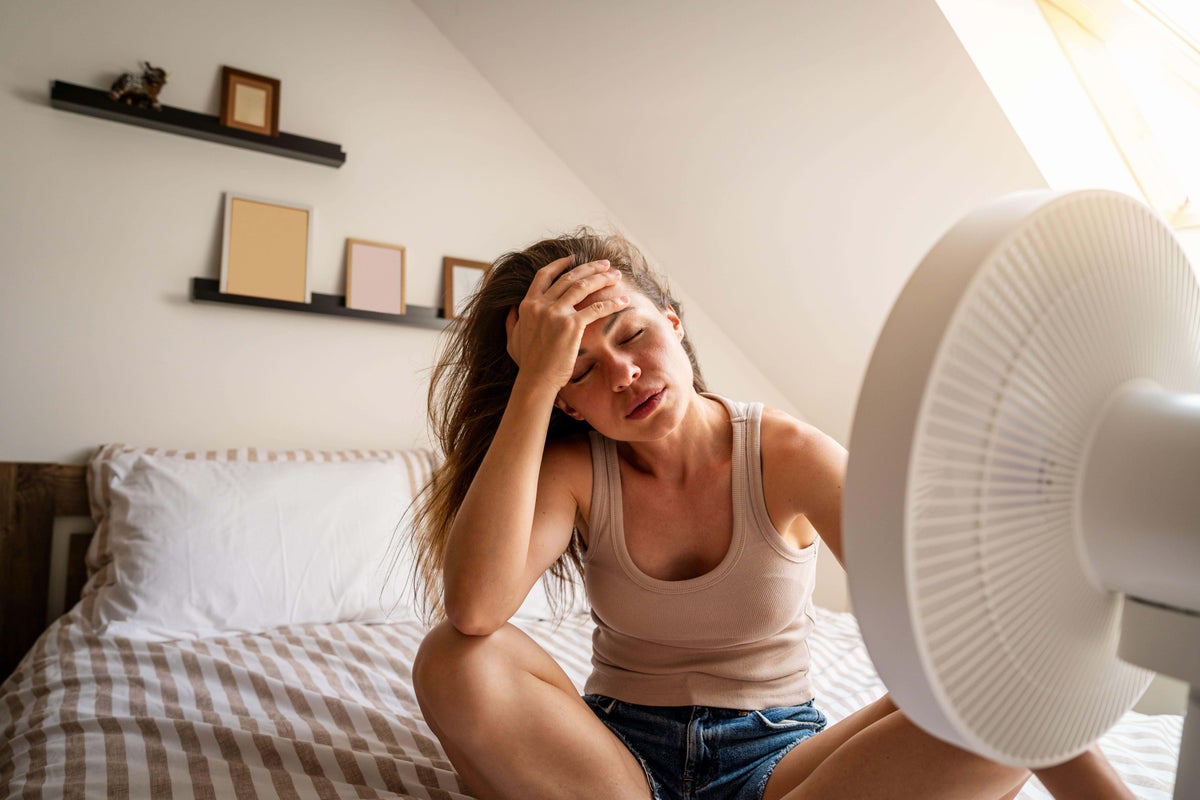
UK Citizens Report Struggling to Cool Homes During Heatwaves
A Citizens Advice report indicates that millions of UK residents are unable to adequately cool their homes during periods of high heat. Many are resorting to makeshift solutions, including sleeping in kitchens or covering windows with foil and damp sheets.
Market Narrative Detected
The narrative suggests that UK housing stock is fundamentally unfit for a changing climate, which benefits companies and contractors positioned to sell retrofitting, insulation, or air conditioning services.
A recent report from Citizens Advice highlights a growing issue for UK residents living in homes that struggle to regulate temperature during hot weather. The organization suggests that millions of people are effectively 'trapped' in properties that become dangerously warm, forcing them to adopt unconventional coping strategies.
According to the findings, some residents have resorted to sleeping in kitchens, which are often located on ground floors and may remain cooler than bedrooms. Others are using improvised methods to block sunlight and heat, such as taping tin foil, cardboard, or damp sheets to their windows. The report frames these actions as 'drastic' measures taken by individuals who lack the resources or home infrastructure to manage rising temperatures effectively. While the report focuses on the physical discomfort and health risks associated with these 'heat trap' homes, it does not detail specific policy recommendations or the potential costs of retrofitting these properties to improve thermal efficiency.
📡 Media Analysis
How each outlet framed the story — angles, word choices, and what they chose to push or ignore.
Highlighted the personal struggle and desperation of residents to emphasize the need for better housing standards.
"‘trapped in homes they can’t cool’"
✓ Only outlet to report: Detailed the specific makeshift window coverings like cardboard and damp sheets.
🔍 What Nobody's Reporting
- ·Lack of input from housing developers or government officials regarding building regulations.
- ·No data on the actual health outcomes or medical emergencies linked to these specific 'heat trap' homes.
- ·Absence of information on the cost-effectiveness of potential home cooling solutions.
📰 Sources
0 A-rated source(s) among 2 total. Lowest trust: The Independent (B)