
UK Energy Supplier Advises Against High-Energy Appliance Use During Solar Eclipse
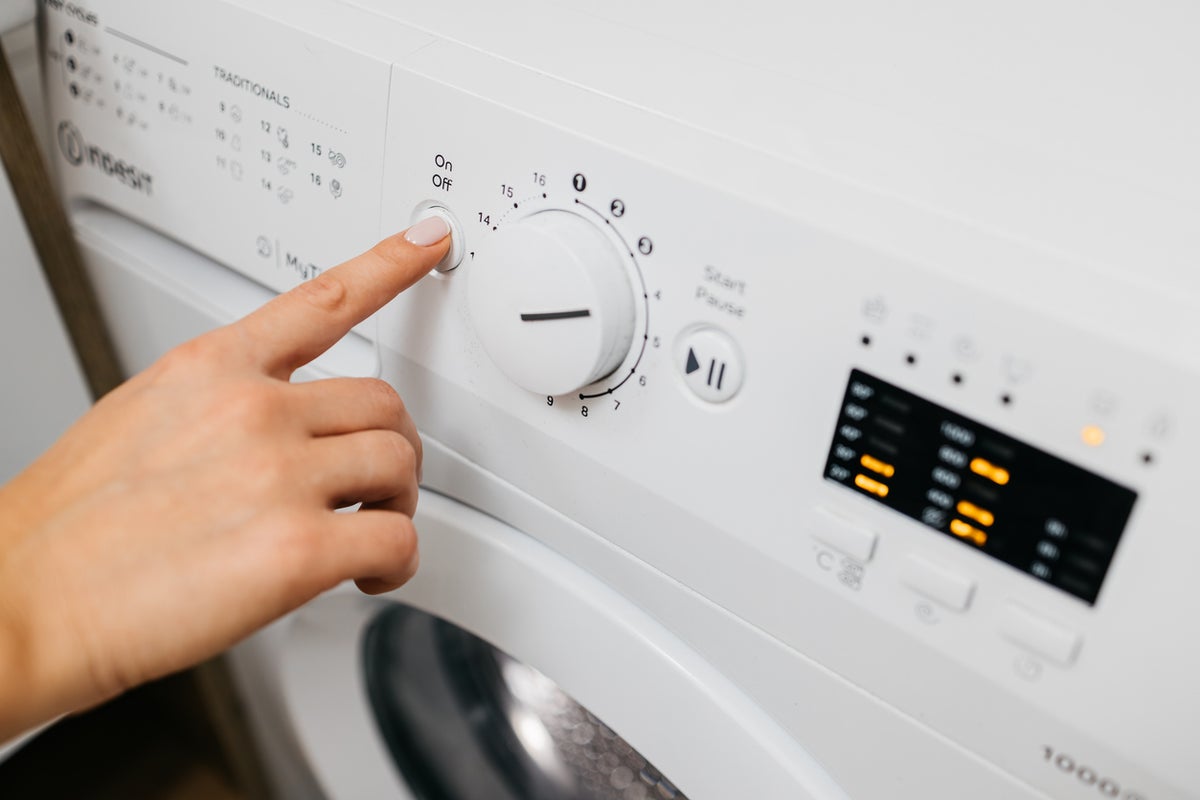
Britain’s largest energy supplier has requested that customers avoid using high-energy appliances like washing machines and dishwashers during the upcoming solar eclipse. The request aims to manage the grid as solar power generation drops while electricity demand remains high.
Market Narrative Detected
The narrative suggests that renewable energy grids are fragile and require active consumer participation to function during environmental shifts. This benefits energy suppliers by shifting the responsibility for grid stability onto the public rather than infrastructure investment.
As the UK prepares for a solar eclipse, the nation's largest energy supplier has issued a public advisory urging households to refrain from using energy-intensive appliances, specifically washing machines and dishwashers, during the event. The core concern is the temporary but significant reduction in solar energy generation that occurs when the moon obscures the sun.
While solar output is expected to dip, the grid must simultaneously handle a typical surge in electricity demand. By asking consumers to shift their usage patterns, the supplier hopes to prevent potential strain on the national power grid. This request highlights the ongoing challenge of balancing renewable energy intermittency with consumer consumption habits. While the supplier frames this as a necessary measure for grid stability, the advisory underscores the reliance of the UK's current infrastructure on consistent solar input and the potential for localized grid stress when that input is interrupted by natural phenomena. No alternative energy sources or specific grid-balancing strategies were detailed in the initial advisory, leaving the burden of grid management largely on the individual consumer's behavior during the eclipse window.
📡 Media Analysis
How each outlet framed the story — angles, word choices, and what they chose to push or ignore.
Focused on the immediate logistical request from the energy supplier without questioning the underlying grid infrastructure.
"usual surge in electricity demand"
🔍 What Nobody's Reporting
- ·Lack of information on whether the grid has backup capacity or if this is a standard procedure for all weather-related solar dips.
- ·No mention of whether the supplier is offering incentives or compensation for consumers who comply with the request.
📰 Sources
0 A-rated source(s) among 1 total. Lowest trust: The Independent (B)