
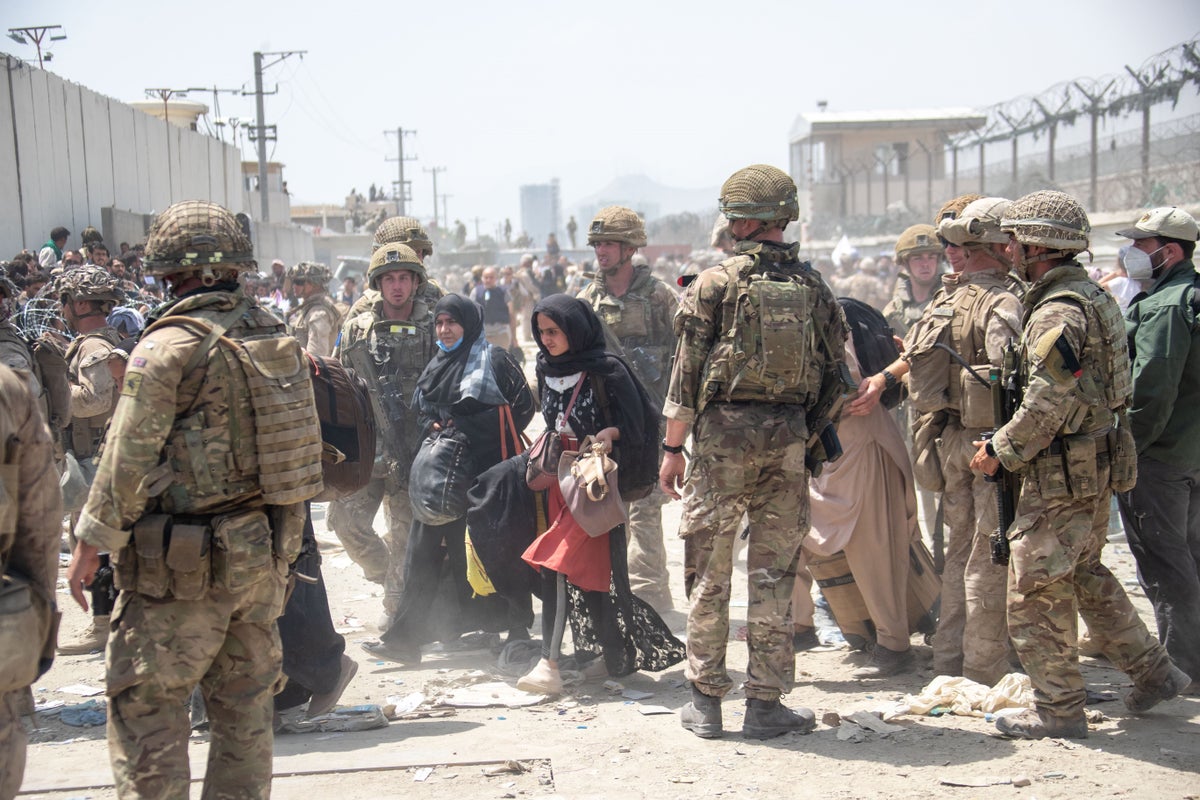
UK Government Acknowledges Risks to Afghans Awaiting Relocation to Britain
The UK government has officially recognized that Afghan nationals awaiting relocation to Britain face significant threats from the Taliban. Despite this acknowledgment, the government has not yet expanded or accelerated evacuation efforts for these individuals.
The British government has formally acknowledged that Afghan citizens who assisted UK forces and are currently awaiting relocation face severe risks, including Taliban surveillance, door-to-door searches, and the threat of retribution. This admission comes as many of these individuals remain in hiding within Afghanistan, unable to secure safe passage to the UK.
While the government recognizes the danger, it has maintained its current policy regarding the relocation process. Critics argue that the gap between acknowledging the threat and providing a viable path to safety leaves those who supported British operations in a precarious position. The government has not provided a timeline for when these individuals might be moved, nor has it announced new measures to facilitate their escape from the country. The situation remains a point of concern for human rights advocates and those involved in the original mission, who argue that the UK has a moral obligation to protect those who risked their lives to assist British forces. The government’s stance remains that it is fulfilling its commitments under existing schemes, though the practical reality for those on the ground is that they remain trapped in high-risk environments.
📡 Media Analysis
How each outlet framed the story — angles, word choices, and what they chose to push or ignore.
Highlighted the moral contradiction between the government's admission of risk and its inaction.
"still won’t help them flee"
⚡ Where Sources Disagree
- ·Whether the current relocation schemes are sufficient to meet the government's stated obligations to these individuals.
🔍 What Nobody's Reporting
- ·Lack of comment or official statement from the UK government explaining the specific logistical or policy hurdles preventing faster relocation.
- ·Absence of data regarding the exact number of individuals currently awaiting relocation.
📰 Sources
0 A-rated source(s) among 1 total. Lowest trust: The Independent (B)