
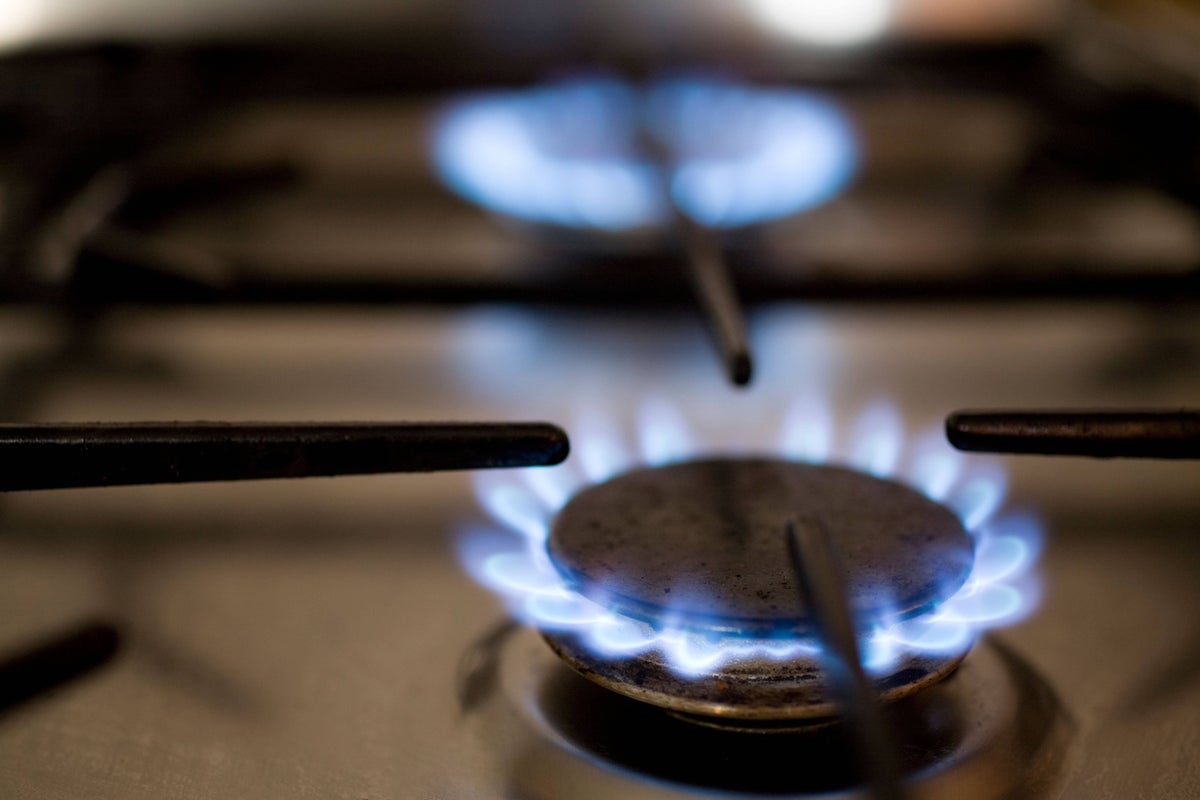
UK Inflation Rises to 2.9% Driven by Increased Energy Costs
UK inflation increased to 2.9% in July, rising from 2.6% in June. The Office for National Statistics identified higher energy prices as the primary driver for this upward shift.
Market Narrative Detected
The media is framing this as a return to inflationary pressure driven by external energy costs, which benefits policymakers by providing a clear, non-domestic scapegoat for the rising cost of living.
The UK's Consumer Prices Index (CPI) rose to 2.9% in July, marking the highest inflation rate recorded in four months. This increase follows a period where inflation had reached a 15-month low of 2.6% in June. Official data from the Office for National Statistics (ONS) attributes this change primarily to the rising cost of energy bills.
While both The Independent and BBC Business confirm the rise in inflation and the role of energy costs, they differ slightly in their historical context. The Independent frames the current 2.9% figure as the highest level since March, whereas the BBC characterizes the shift as a jump to the highest rate in four months. Both outlets agree that the cost of living is currently accelerating at a faster pace than it was in the previous month.
📡 Media Analysis
How each outlet framed the story — angles, word choices, and what they chose to push or ignore.
Focused on the specific statistical timeline to emphasize the reversal of a downward trend.
"15-month low"
✓ Only outlet to report: Specified that the previous low was a 15-month record.
Simplified the economic data into a general statement about the rising cost of living.
"faster pace"
🔍 What Nobody's Reporting
- ·Lack of analysis on whether this is a temporary spike or the start of a sustained trend.
- ·No mention of how this inflation rate compares to wage growth for the average household.
📰 Sources
1 A-rated source(s) among 2 total. Lowest trust: The Independent (B)