
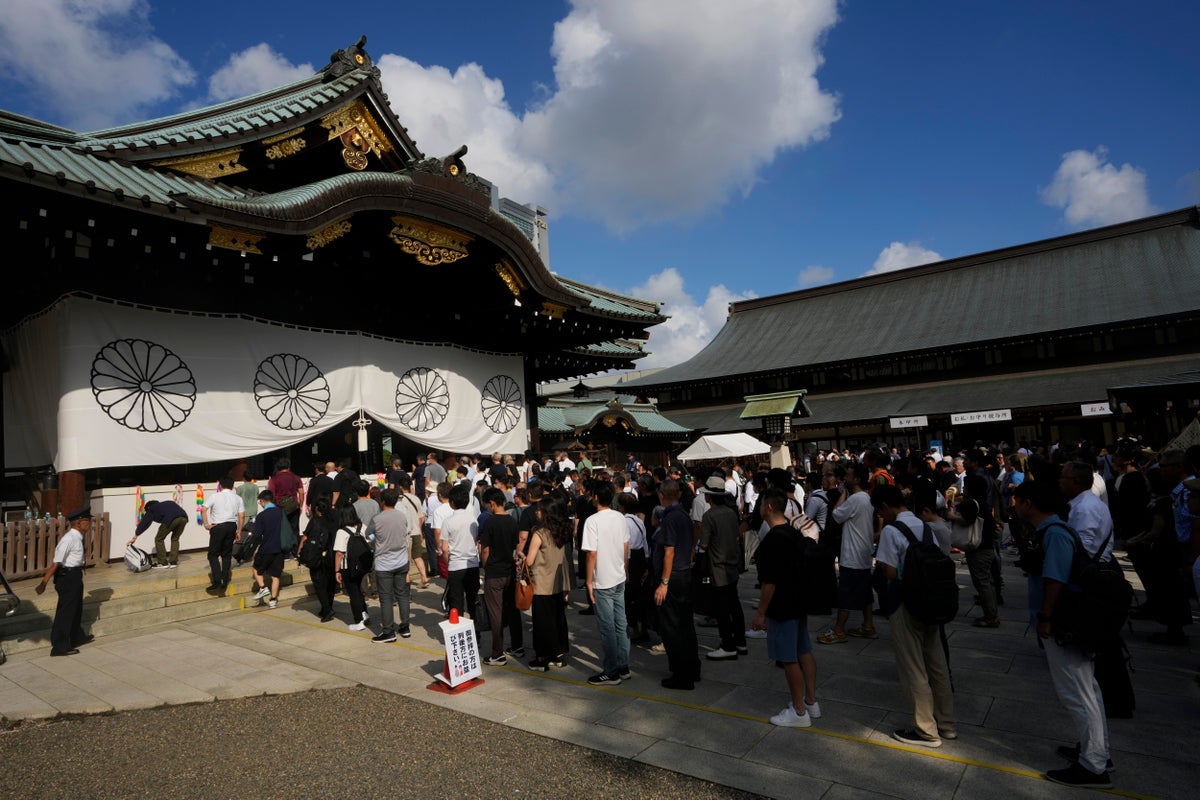
Understanding the history and controversy surrounding Tokyo's Yasukuni Shrine
Yasukuni Shrine in Tokyo serves as a memorial for over 2.4 million individuals who died in service to Japan. The site remains a focal point of international and domestic debate due to the inclusion of convicted war criminals among those honored.
Yasukuni Shrine, located in central Tokyo, functions as a Shinto memorial dedicated to those who died in service to the Japanese Empire from the late 19th century through the end of World War II. The shrine honors more than 2.4 million people, including soldiers and civilians, who are considered 'kami' or spirits of the departed. The site is managed by a private religious organization rather than the state, a distinction rooted in the post-war separation of religion and government in Japan.
The controversy surrounding the shrine stems primarily from the enshrinement of 14 Class-A war criminals convicted by the International Military Tribunal for the Far East. Because these individuals are honored alongside ordinary soldiers, visits to the shrine by Japanese government officials often trigger diplomatic friction. Neighboring countries, particularly China and South Korea, frequently view such visits as a failure by Japan to properly atone for its wartime aggression and colonial history. Conversely, many Japanese supporters of the shrine argue that it is a place for families to mourn their ancestors and that the spirits of the dead should be honored regardless of their actions during the war.
While the shrine remains a popular destination for visitors interested in Japanese history and Shinto traditions, it continues to serve as a symbol of the unresolved tensions regarding Japan's 20th-century military history. The debate persists between those who view the shrine as a necessary site for national remembrance and those who see it as a glorification of a militaristic past.
📡 Media Analysis
How each outlet framed the story — angles, word choices, and what they chose to push or ignore.
Framed the shrine primarily through the lens of its controversial status and historical baggage.
"one of the country’s most divisive memorial sites"
⚡ Where Sources Disagree
- ·Whether the shrine serves as a site for legitimate mourning or a glorification of wartime aggression.
🔍 What Nobody's Reporting
- ·Lack of perspective from the shrine's own administration regarding their internal policies on enshrinement.
- ·Limited detail on the specific religious significance of the Shinto rituals performed at the site.
📰 Sources
0 A-rated source(s) among 1 total. Lowest trust: The Independent (B)