
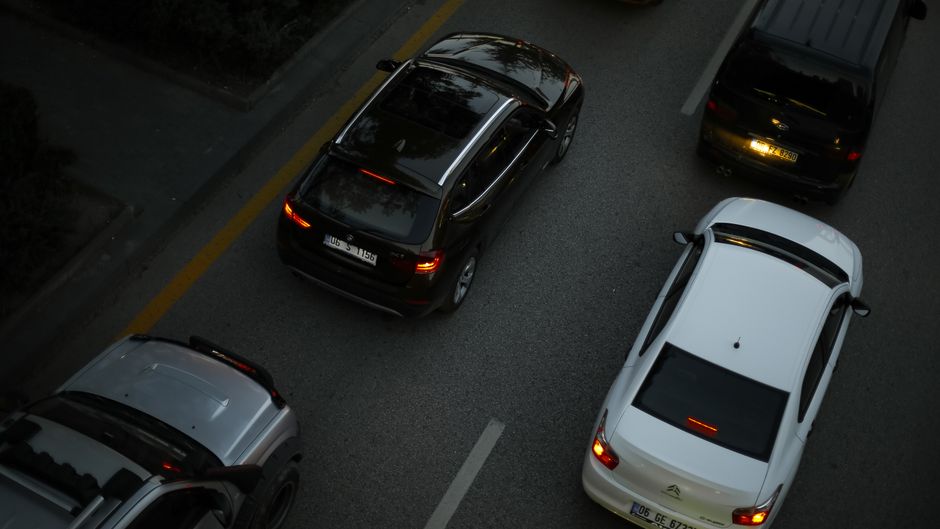
Understanding the Physics of Traffic Congestion at Barapullah Phase-III
The Barapullah Phase-III project in Delhi is experiencing significant traffic congestion, often characterized by 'phantom jams' and inefficient merging patterns. Experts are analyzing the fluid dynamics of the roadway to determine how vehicle behavior and infrastructure design contribute to these recurring bottlenecks.
The Barapullah Phase-III extension, intended to alleviate traffic in Delhi, has become a focal point for studies on urban congestion. Traffic engineers and analysts are currently examining the phenomenon of 'phantom jams'—traffic waves that occur even in the absence of an obvious accident or road obstruction. These jams are often triggered by minor braking actions that ripple backward through a line of vehicles, causing a cascade of stops that can persist long after the initial cause has cleared.
Beyond phantom jams, the project faces challenges related to 'fluid' traffic movement and forced merges. When vehicles attempt to merge into high-speed lanes, the lack of adequate acceleration space or poor driver coordination often forces sudden speed reductions. This creates a ripple effect that disrupts the flow of the entire corridor. The Hindustan Times reports that the physics of these interactions is central to the gridlock, suggesting that the design of the merges and the behavior of drivers are not currently synchronized for optimal throughput.
While the infrastructure was designed to improve connectivity, the current reality involves significant delays during peak hours. There is ongoing debate regarding whether the primary issue lies in the physical geometry of the road—such as lane widths and merge angles—or in the driving culture that necessitates frequent, forced lane changes. As urban planners look for solutions, the focus remains on how to stabilize the 'fluid' nature of the traffic to prevent the formation of these self-sustaining bottlenecks.
📡 Media Analysis
How each outlet framed the story — angles, word choices, and what they chose to push or ignore.
Used scientific concepts like fluid dynamics to explain everyday traffic frustrations.
"The physics behind Barapullah Phase-III gridlock"
✓ Only outlet to report: Identified the specific intersection of vehicle merging behavior and road physics as the primary cause of the gridlock.
⚡ Where Sources Disagree
- ·There is no explicit contradiction in the source material, though the report implies a tension between whether the design or the drivers are to blame for the gridlock.
🔍 What Nobody's Reporting
- ·Lack of official statements or data from the Public Works Department (PWD) regarding planned infrastructure modifications.
- ·Absence of input from daily commuters regarding their personal experiences with the specific merge points.
📰 Sources
0 A-rated source(s) among 1 total. Lowest trust: Hindustan Times (B)