
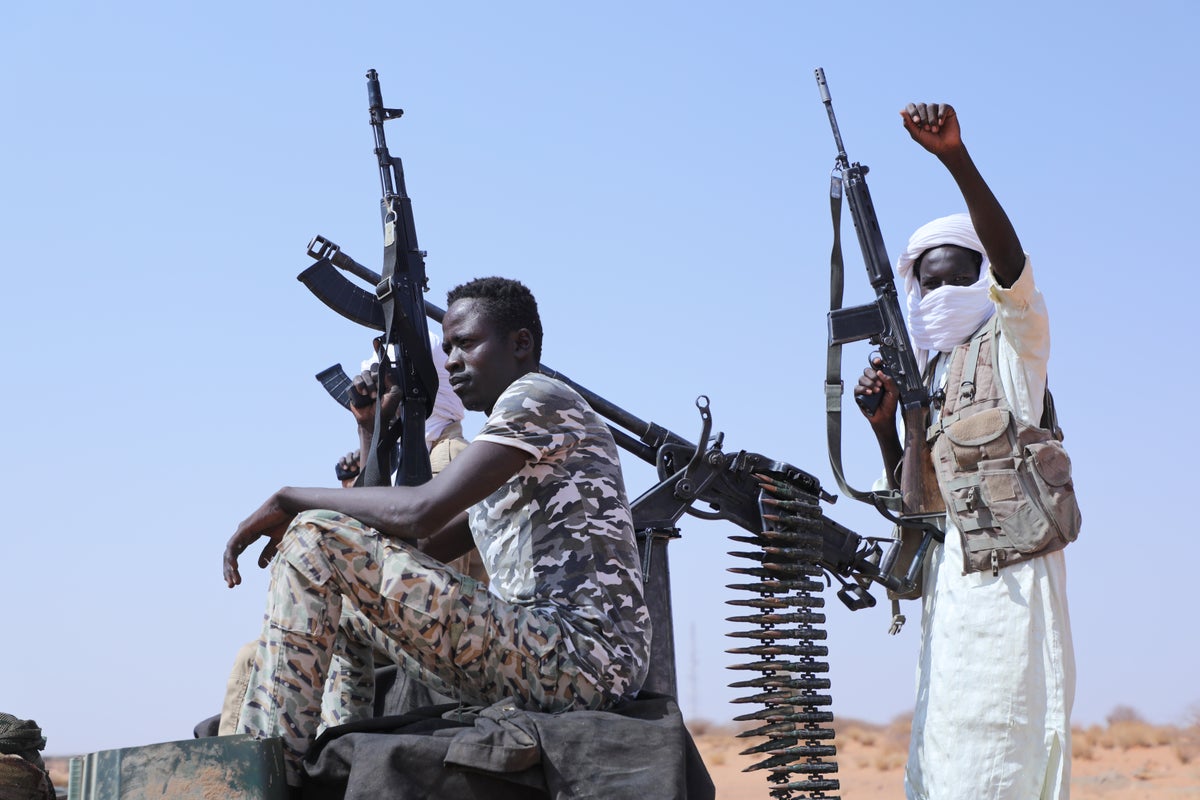
United States Pushes for New UN Sanctions to End Sudan Conflict
The United States is calling for increased United Nations sanctions against warring factions in Sudan. The move is intended to pressure both sides to return to the negotiating table and halt the ongoing violence.
The United States government has formally requested that the United Nations implement stronger sanctions against the rival military factions currently engaged in a violent conflict in Sudan. This diplomatic push is designed to increase international leverage over the warring parties, with the ultimate goal of forcing a ceasefire and compelling both sides to engage in meaningful peace negotiations.
Since the conflict erupted, Sudan has faced a severe humanitarian crisis, with millions displaced and infrastructure destroyed. While the U.S. maintains that these sanctions are a necessary tool to spur progress, the effectiveness of such measures remains a subject of debate among international observers. The Independent reports that the primary objective of this proposal is to create enough economic and political pressure to break the current stalemate between the rival forces. However, the report notes that the path to a negotiated settlement remains complex, as neither side has yet shown a definitive willingness to concede or prioritize diplomatic solutions over military objectives. The proposal for new sanctions is expected to be discussed in upcoming UN Security Council sessions, where the international community will weigh the potential for these measures to facilitate peace versus the risk of further destabilizing the region.
📡 Media Analysis
How each outlet framed the story — angles, word choices, and what they chose to push or ignore.
Focused on the U.S. diplomatic strategy as a tool for conflict resolution.
"beefed up"
🔍 What Nobody's Reporting
- ·Lack of perspective from the Sudanese warring factions regarding the proposed sanctions.
- ·Absence of data on the current status or effectiveness of existing sanctions already in place.
📰 Sources
0 A-rated source(s) among 1 total. Lowest trust: The Independent (B)