
US and China prepare for summit amid focus on AI and tech rivalry
Ahead of a high-stakes summit between President Trump and President Xi, officials and analysts are highlighting the urgent need for AI regulation and the shifting landscape of the US-China tech war. The discussions are expected to center on strategic stability and the competitive pressures surrounding key technologies like those involving Huawei.
Market Narrative Detected
The media is pushing a narrative that the US-China relationship is at a critical 'stability' inflection point, which benefits political actors seeking to appear in control of global tech risks. Investors are being primed to view any summit-related cooperation as a potential de-escalation of the 'tech war,' which could boost market sentiment for global tech stocks.
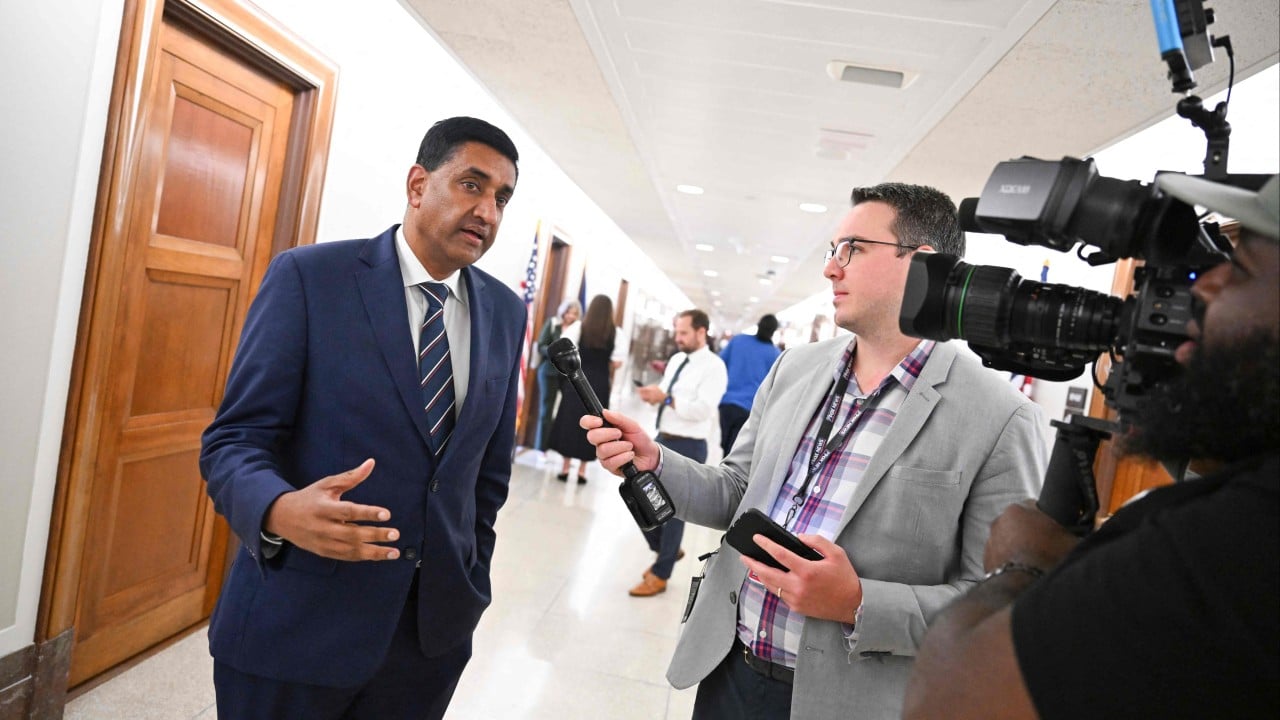
As President Xi Jinping prepares to meet President Donald Trump in Washington, the agenda is heavily influenced by the evolving technological rivalry between the two nations. Ro Khanna, a ranking member of the US House Select Committee on China, has publicly advocated for the establishment of international regulatory standards for artificial intelligence, suggesting that these guardrails should mirror the protocols developed during the atomic age to manage nuclear risks.
While the call for AI cooperation emphasizes a need for stability, the broader context remains defined by a protracted economic and technological contest. Reports indicate that the nature of this rivalry has shifted significantly since the last summit. Huawei Technologies continues to serve as a primary focal point of this tension, representing the broader struggle for dominance in global tech infrastructure.
There is a notable difference in focus between the two perspectives provided. One emphasizes the potential for diplomatic cooperation on emerging threats like AI, framing it as a necessary evolution of international policy. The other focuses on the structural economic levers and the ongoing 'tech war,' suggesting that the relationship is defined more by competition than by the potential for shared regulatory frameworks. Both sources agree that the upcoming summit is a critical moment for determining the future of 'constructive strategic stability' between the two global powers.
📡 Media Analysis
How each outlet framed the story — angles, word choices, and what they chose to push or ignore.
Focused on the diplomatic potential for AI guardrails as a solution to geopolitical tension.
"nuclear-style AI safeguards"
✓ Only outlet to report: Reported on specific comments by Congressman Ro Khanna regarding AI regulation.
Framed the summit through the lens of a long-term, evolving economic and tech conflict.
"protracted rivalry"
✓ Only outlet to report: Analyzed the shift in economic and technological levers since the previous summit.
🔍 What Nobody's Reporting
- ·Lack of input from Chinese officials or state-affiliated media regarding their willingness to adopt US-proposed AI standards.
- ·No mention of the specific private sector interests or tech lobbyists influencing these policy discussions.