
US Annual Inflation Rate Declines to 3.4% in July
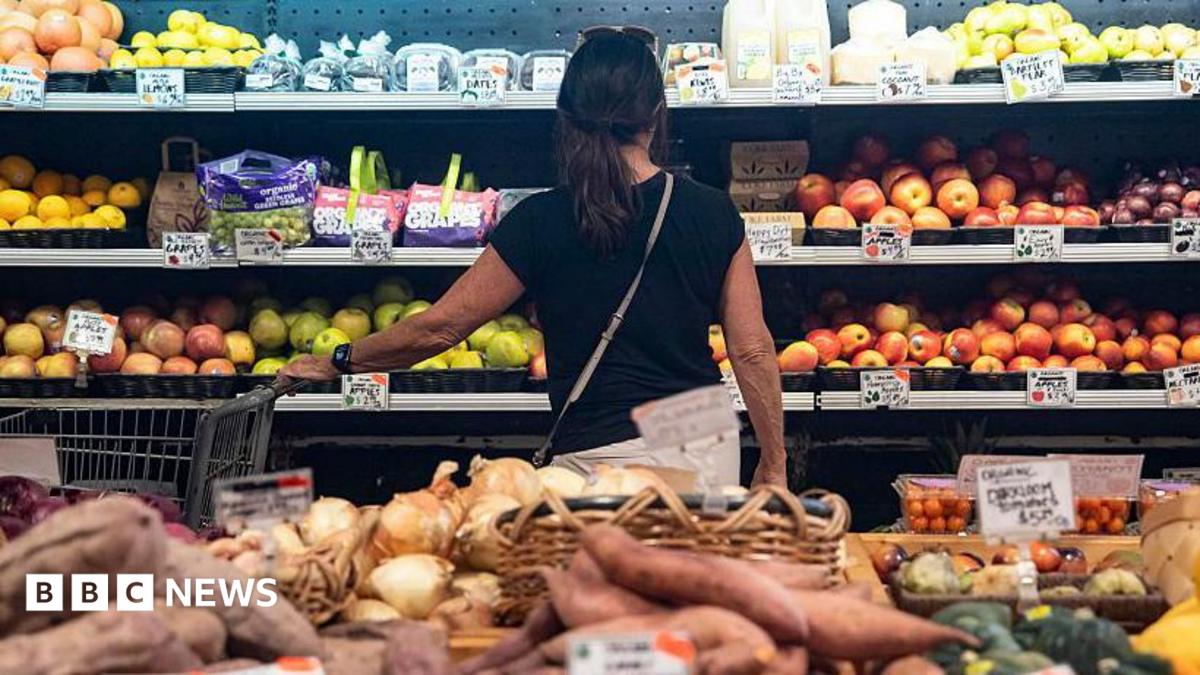
The US annual inflation rate slowed to 3.4% in July, driven largely by a cooling in food prices. While food costs have moderated, housing expenses continue to exert upward pressure on the overall index.
Market Narrative Detected
The media is framing the current economic environment as a 'soft landing' where inflation is naturally cooling, which benefits policymakers and incumbents by suggesting that current economic strategies are successfully stabilizing the cost of living.
The latest economic data indicates that US inflation eased to 3.4% in July. This shift is primarily attributed to a deceleration in the cost of food, which has historically been a significant contributor to rising consumer prices. Despite this relief in grocery and dining expenses, the housing sector remains a persistent factor in keeping inflation figures elevated.
Economists are currently monitoring these trends to determine how they might influence future monetary policy decisions. While the cooling of food costs provides a positive signal for household budgets, the ongoing strength in housing costs suggests that the path to the Federal Reserve's target inflation rate may remain uneven. The data highlights a divergence in price pressures across different sectors of the economy, with some essential goods showing signs of stabilization while shelter costs continue to challenge broader disinflationary efforts.
📡 Media Analysis
How each outlet framed the story — angles, word choices, and what they chose to push or ignore.
Provided a concise, factual summary of the inflation data without adding speculative market commentary.
"food costs cool"
🔍 What Nobody's Reporting
- ·Lack of context regarding how this 3.4% figure compares to the Federal Reserve's specific 2% target.
- ·No mention of the impact of energy prices or labor market data, which are critical components of the broader inflation picture.
📰 Sources
1 A-rated source(s) among 1 total. Lowest trust: BBC Business (A)