
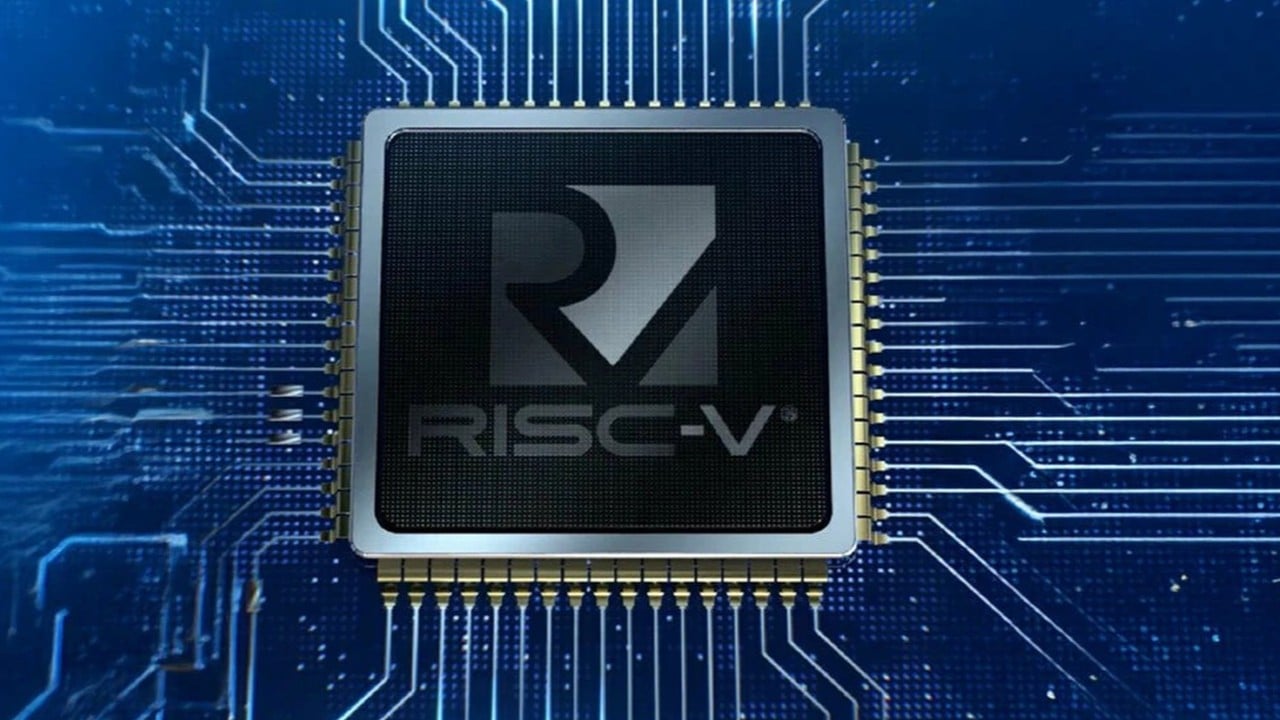
US-based MIPS Deepens RISC-V Collaboration with Chinese Firms Amid Tech Tensions
Despite ongoing geopolitical friction between Washington and Beijing, US intellectual property firm MIPS is increasing its cooperation with Chinese companies on the open-source RISC-V chip architecture. The partnership focuses on standardizing the technology to ensure broader global adoption.
The open-source RISC-V chip architecture is experiencing rapid global adoption, leading to increased technical cooperation between US-based firms and Chinese industry partners. MIPS, a US intellectual property provider now owned by GlobalFoundries, has confirmed that it is working closely with Chinese companies to advance the standardization of RISC-V technology.
According to Yankin Tanurhan, the chief technology officer at MIPS, this collaboration is occurring at an "unprecedented level." The initiative aims to align technical standards across borders, suggesting that commercial and technical interests in the semiconductor industry continue to transcend the broader political and trade rivalry between the United States and China. While Washington has implemented various export controls and restrictions on advanced chip technology, RISC-V remains an open-source platform, which complicates the enforcement of traditional trade barriers. The move highlights a strategic effort by industry players to maintain a unified global standard for chip design, even as government policies push for technological decoupling in other areas of the semiconductor supply chain.
📡 Media Analysis
How each outlet framed the story — angles, word choices, and what they chose to push or ignore.
Highlighted the resilience of commercial tech cooperation in the face of government-led trade barriers.
"unprecedented level"
✓ Only outlet to report: The specific detail that MIPS is driving standardization efforts 'very closely' with Chinese partners.
🔍 What Nobody's Reporting
- ·Lack of comment from US or Chinese government regulators regarding whether this collaboration violates current export control policies.
- ·No perspective on how this collaboration might impact the competitive balance between US and Chinese chip manufacturers.
📰 Sources
0 A-rated source(s) among 1 total. Lowest trust: SCMP (B)