
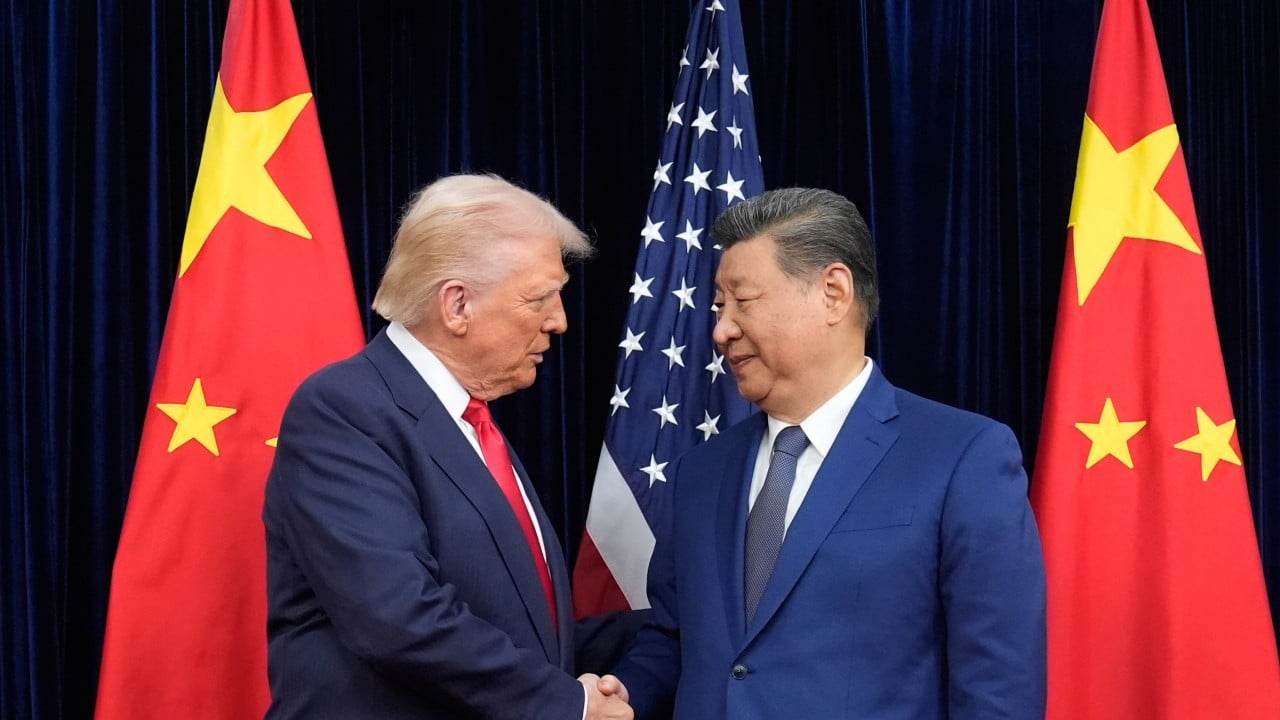
US-China Relations Characterized by Cycles of Tension and De-escalation
Despite nearly a decade of trade disputes and geopolitical friction, the United States and China have consistently avoided a total rupture in relations. Historical patterns show that periods of high tension are often followed by tactical de-escalation linked to specific economic or diplomatic agreements.
The relationship between Washington and Beijing has been defined by a recurring cycle of confrontation and recovery. Over the past ten years, both nations have engaged in a series of retaliatory measures, including the implementation of tariffs, the use of export controls, and the maintenance of blacklists. These actions have frequently brought the two global powers to the brink of a significant diplomatic or economic break.
However, the historical record suggests that these escalations are often temporary. Tensions frequently spike in the lead-up to high-level summits, only to subside once discussions conclude. The SCMP report highlights that these cooling-off periods are often tied to specific concessions. For instance, during the 2019 G20 summit in Osaka, the Trump administration walked back threats to impose tariffs on $300 billion worth of Chinese goods and eased restrictions on Huawei. In exchange, Beijing reportedly agreed to increase its purchases of American agricultural products. Similar patterns of tariff adjustments and export control pauses were observed in subsequent diplomatic engagements, such as those in Busan.
While the two nations have not achieved a lasting peace, the evidence indicates a pragmatic approach to preventing a complete breakdown in ties. Both sides appear to prioritize economic stability and the avoidance of total rupture, even as they continue to compete across various sectors. The current state of the relationship remains a delicate balance of strategic rivalry and necessary cooperation, where threats are used as leverage rather than as precursors to permanent conflict.
📡 Media Analysis
How each outlet framed the story — angles, word choices, and what they chose to push or ignore.
Focused on the cyclical, transactional nature of US-China diplomacy to explain why total collapse hasn't occurred.
"keep recovering from the brink"
✓ Only outlet to report: Provided specific historical examples of trade-offs, such as the Huawei-for-farm-goods exchange in 2019.
🔍 What Nobody's Reporting
- ·The perspective of the current US administration regarding these historical trade-offs.
- ·The impact of non-trade issues, such as military posturing or human rights, on the stability of the relationship.
📰 Sources
0 A-rated source(s) among 1 total. Lowest trust: SCMP (B)