
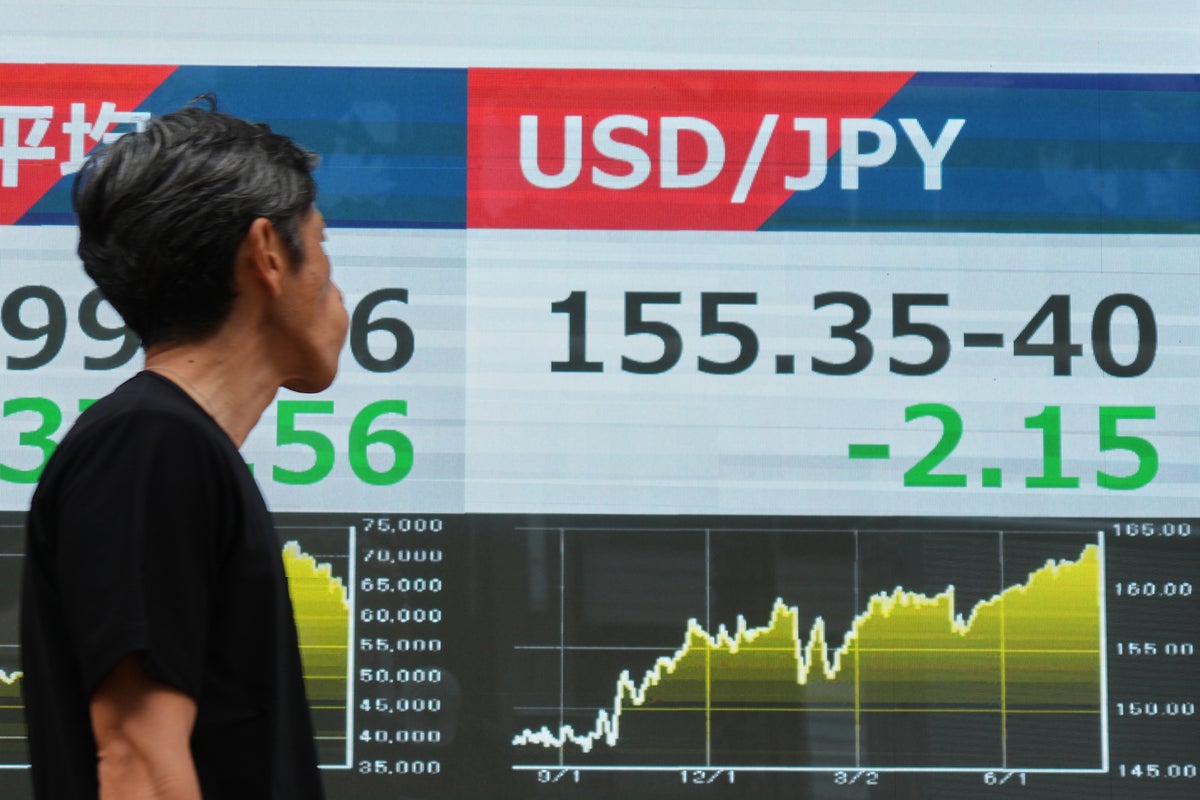
US Dollar Declines Against Japanese Yen Following Market Intervention
The U.S. dollar has experienced a sharp decline in value relative to the Japanese yen. This shift follows confirmation from both U.S. and Japanese officials that their respective governments have intervened in currency markets.
The U.S. dollar saw a significant drop in value against the Japanese yen this week. This movement in the foreign exchange market was officially acknowledged by both U.S. President Donald Trump and Japan’s finance minister, who confirmed that both nations have taken active steps to intervene in the currency markets.
Market analysts typically view such interventions as attempts by governments to influence the exchange rate to better suit their domestic economic goals, such as boosting exports or controlling inflation. While the exact scale and specific mechanisms of these interventions remain limited in public reports, the confirmation of coordinated or parallel action by both the U.S. and Japan marks a notable shift in currency policy. The weakening of the dollar suggests that the market is reacting to the increased supply of dollars or the deliberate strengthening of the yen as a result of these government actions. Investors are now closely watching to see if these interventions will lead to a sustained trend or if the currency pair will stabilize once the immediate effects of the government actions subside.
📡 Media Analysis
How each outlet framed the story — angles, word choices, and what they chose to push or ignore.
Reported the event as a direct consequence of government policy intervention.
"confirmed both sides had intervened"
🔍 What Nobody's Reporting
- ·Lack of specific data on the scale or dollar-amount of the intervention.
- ·Absence of expert analysis regarding the long-term economic consequences for trade.
- ·No explanation of the specific economic motivations driving the U.S. or Japan to take this action.
📰 Sources
0 A-rated source(s) among 1 total. Lowest trust: The Independent (B)