
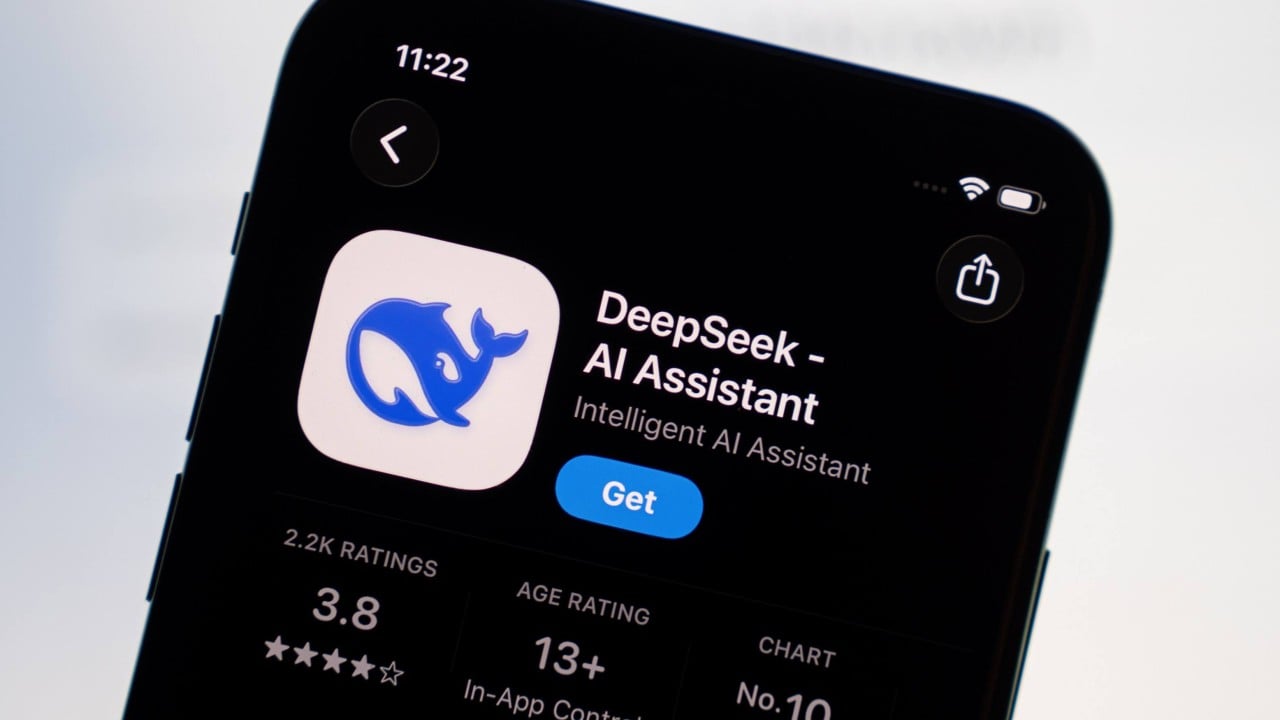
US Government Bans DeepSeek AI in Federal Systems Over Security Concerns
The U.S. Department of Homeland Security has issued a directive requiring federal civilian agencies to remove DeepSeek AI products from their IT systems. Industry experts suggest this move may discourage American businesses from utilizing Chinese-developed artificial intelligence models due to potential regulatory and security risks.
The U.S. Department of Homeland Security (DHS) has officially ordered all federal civilian agencies to purge their IT systems of any software or services linked to the Chinese artificial intelligence startup DeepSeek. The directive, which was signed in July but only made public this week, mandates the immediate removal of both direct DeepSeek products and any third-party services that rely on the company's underlying AI architecture.
While the government has not provided granular technical details regarding the specific vulnerabilities prompting the ban, the move is widely viewed as part of a broader strategy to limit the influence of Chinese technology within the U.S. federal infrastructure. The decision follows increasing scrutiny of Chinese AI firms and concerns regarding data privacy and national security.
Industry analysts cited by the South China Morning Post suggest that this federal mandate could have a "chilling effect" on the private sector. The primary concern is that American firms, fearing future regulatory crackdowns or potential blacklisting, may be deterred from adopting low-cost Chinese AI models even when they offer competitive performance. The directive effectively creates a barrier for Chinese AI developers attempting to gain a foothold in the U.S. market, as federal agencies often set the standard for security compliance that private enterprises follow. As of now, the directive applies specifically to civilian agencies, but the long-term impact on the broader commercial AI ecosystem remains a subject of debate among technology experts.
📡 Media Analysis
How each outlet framed the story — angles, word choices, and what they chose to push or ignore.
Focused on the potential negative economic consequences for AI adoption rather than the security justification.
"chilling effect"
✓ Only outlet to report: Reported that the directive was signed in July but only published on Monday.
🔍 What Nobody's Reporting
- ·Lack of specific technical evidence or security vulnerabilities cited by the DHS for the ban.
- ·Absence of comment or response from DeepSeek regarding the federal directive.
📰 Sources
0 A-rated source(s) among 1 total. Lowest trust: SCMP (B)