
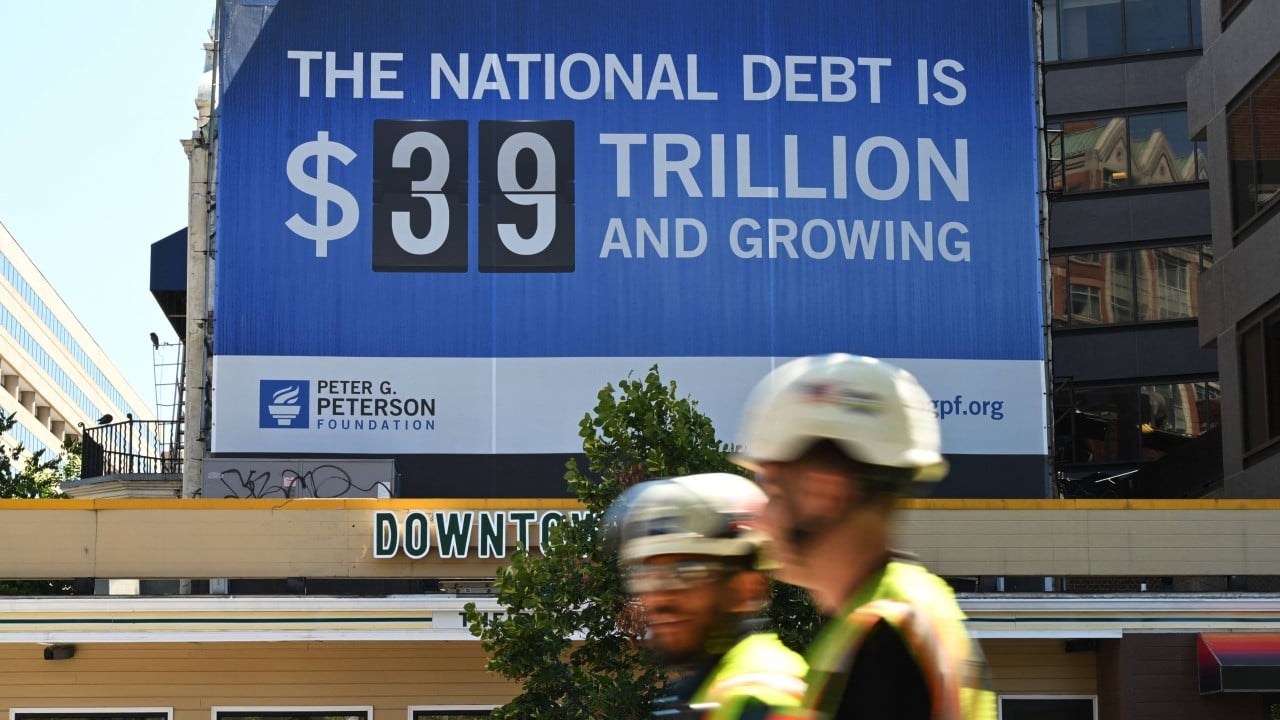
US National Debt Surpasses $40 Trillion Milestone
The United States national debt has officially exceeded $40 trillion for the first time, marking a significant increase from the $30 trillion mark reached in early 2022. This rapid growth in public debt has prompted renewed concerns from financial analysts regarding long-term fiscal sustainability.
The United States Treasury Department reported that total public debt reached $40.05 trillion at the close of business on Tuesday. This figure represents a rapid acceleration in federal borrowing, with the debt total growing by approximately one-third in less than five years. The nation reached the $30 trillion threshold in January 2022, meaning $10 trillion in debt has been added in under three years.
Financial analysts and economists are increasingly discussing the potential for a 'doom loop' scenario, where the cost of servicing existing debt consumes an ever-larger portion of the federal budget, necessitating further borrowing. The current fiscal trajectory is characterized by historically wide deficits, which continue to persist despite periodic calls from various political factions to address the spending gap. While the Treasury Department has confirmed the raw data, the political implications remain a point of debate. Some observers argue that the current spending levels are essential for economic stability, while others contend that the lack of a clear plan to reduce the deficit poses a systemic risk to the national economy. As of now, there is no consensus among lawmakers on a legislative path to curb the growth of this debt, and current projections suggest the total will continue to rise in the coming years.
📡 Media Analysis
How each outlet framed the story — angles, word choices, and what they chose to push or ignore.
Focused on the rapid speed of debt accumulation and the potential for a systemic economic crisis.
"doom loop"
🔍 What Nobody's Reporting
- ·Lack of specific breakdown regarding which government programs or spending categories contributed most to the recent $10 trillion increase.
- ·Absence of perspective from current administration officials regarding their justification for the current fiscal policy.
📰 Sources
0 A-rated source(s) among 1 total. Lowest trust: SCMP (B)