
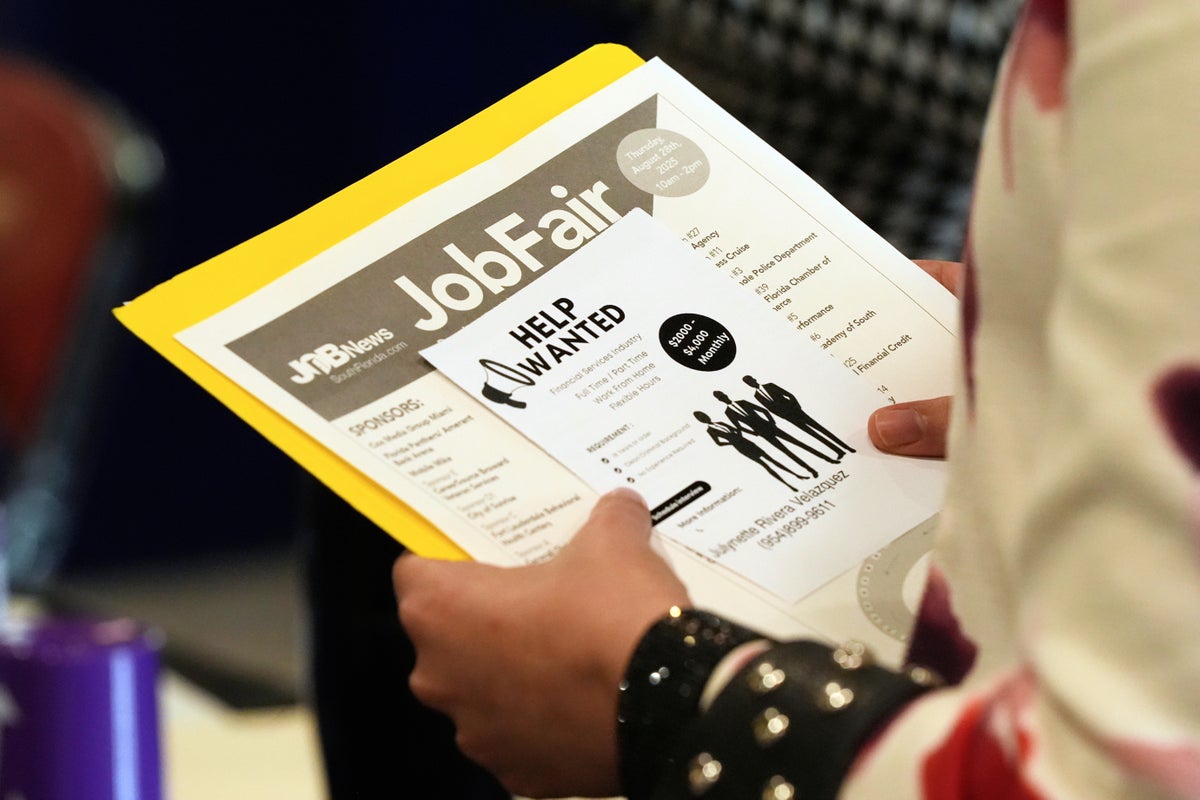
Wall Street prepares for key U.S. jobs market data release
Investors are shifting their focus to upcoming monthly jobs reports to gauge the health of the U.S. economy. These figures are expected to influence market sentiment and future financial policy decisions.
Market Narrative Detected
The market is attempting to tell a story of 'data-dependency,' where every economic release is a make-or-break moment for the economy. This narrative benefits institutional traders and volatility-focused platforms by encouraging frequent trading based on news cycles.
Wall Street enters the new week with a primary focus on the labor market. Investors and analysts are preparing for the release of the monthly jobs report, which is widely considered a critical indicator of the broader U.S. economic trajectory. The data is expected to provide clarity on whether the economy is cooling or maintaining its current pace of growth.
Market participants are closely watching these figures to anticipate potential shifts in monetary policy. While the broader market sentiment remains cautious, the focus remains squarely on how the employment numbers will impact interest rate expectations. The Independent notes that the jobs report is the centerpiece of the week's economic calendar, serving as a barometer for both corporate health and consumer spending power. As of now, the market is waiting to see if the actual data aligns with current analyst projections, which have been mixed regarding the strength of the labor sector.
📡 Media Analysis
How each outlet framed the story — angles, word choices, and what they chose to push or ignore.
Provided a brief, high-level overview of the week's economic focus without deep analysis.
"The market eyes the monthly jobs report"
🔍 What Nobody's Reporting
- ·Lack of specific analyst projections or consensus estimates for the jobs numbers.
- ·No mention of how specific sectors (e.g., tech vs. manufacturing) are expected to perform.
- ·Absence of context regarding how current interest rate policy is specifically influencing these labor expectations.
📰 Sources
0 A-rated source(s) among 1 total. Lowest trust: The Independent (B)