
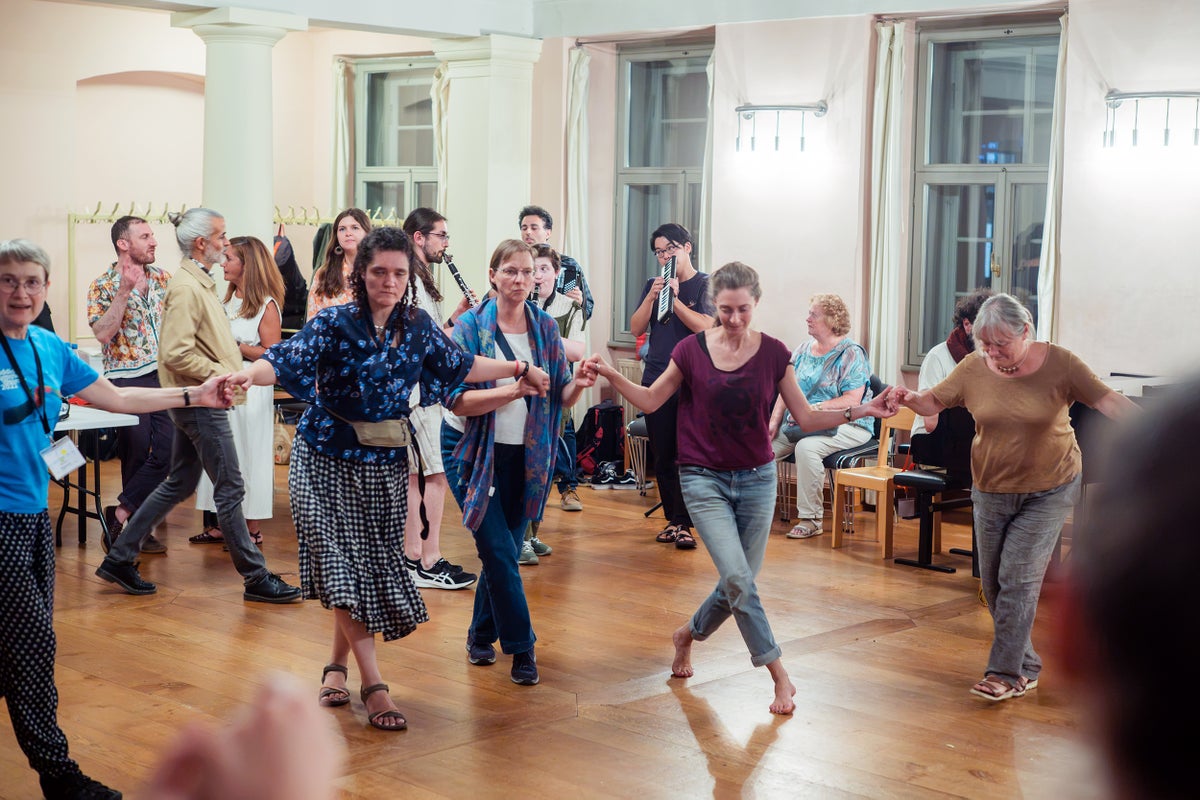
Weimar Yiddish Summer Festival Expands as Major Cultural Hub
The Yiddish Summer Weimar festival has grown from a small workshop into Europe's largest event dedicated to Yiddish culture. The month-long program now features daily workshops and nightly concerts drawing thousands of attendees.
The Yiddish Summer Weimar festival, an annual event held in Germany, has evolved significantly since its inception. Originally launched as a modest weekend workshop with a limited number of participants, the event has expanded into a month-long cultural program. According to festival organizers, the event now serves as the largest gathering of its kind in Europe.
The festival’s current structure includes daily educational workshops that attract hundreds of students and enthusiasts. These workshops are complemented by a series of nightly performances, which organizers report draw a combined audience of over 10,000 people annually. The event focuses on both the preservation of traditional Yiddish heritage and the reinvention of the culture for contemporary audiences.
While the festival is widely recognized for its role in cultural revitalization, the scope of its impact on the broader German cultural landscape remains a subject of focus for those tracking European arts programming. The event continues to operate as a central hub for Yiddish music, language, and dance, maintaining its growth trajectory by balancing historical education with modern artistic expression.
📡 Media Analysis
How each outlet framed the story — angles, word choices, and what they chose to push or ignore.
Highlighted the festival's growth and success as a positive cultural achievement.
"reinventing it"
🔍 What Nobody's Reporting
- ·Lack of independent verification for attendance figures provided by organizers.
- ·No mention of the festival's funding sources or government support.
- ·Absence of critical perspectives regarding the festival's impact on the local Weimar community.
📰 Sources
0 A-rated source(s) among 1 total. Lowest trust: The Independent (B)