
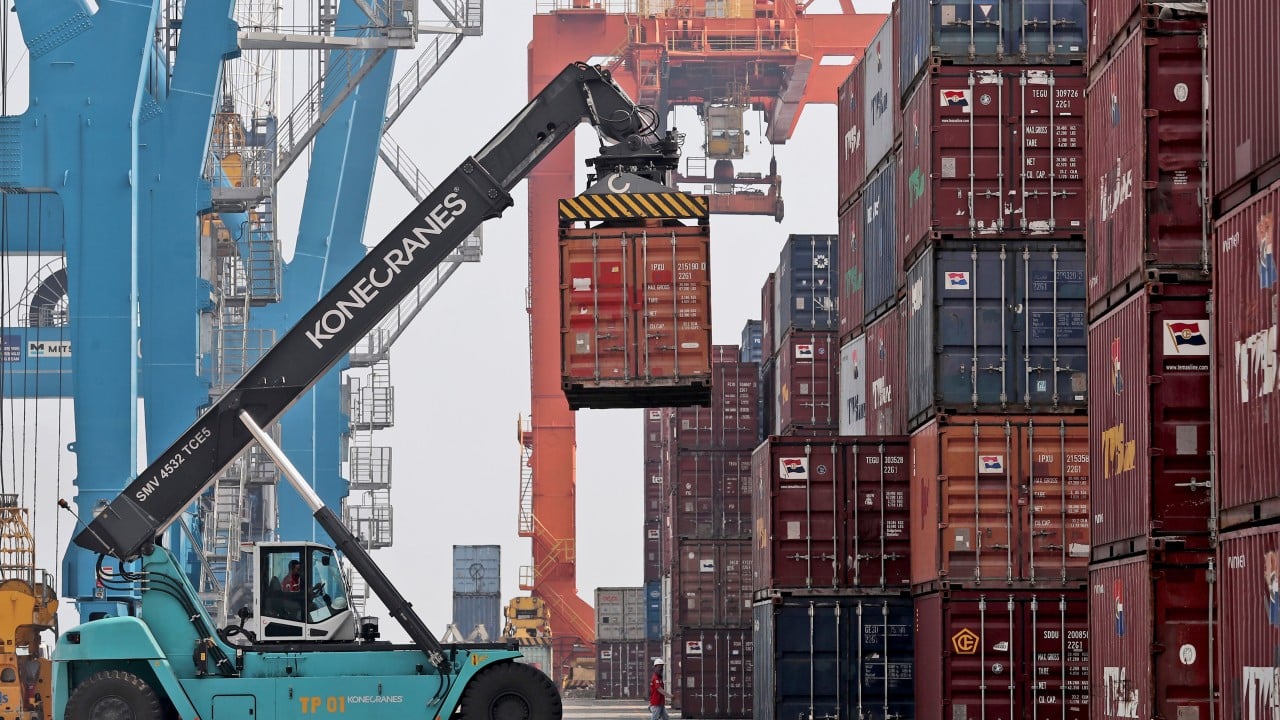
White House Report Targets Southeast Asian Nations Over Alleged Chinese Transshipment
The White House has identified nine Southeast Asian countries as part of a 'Shadow Transshipment Network' used to bypass US tariffs on Chinese goods. This report places exporters in the region under increased scrutiny and potential pressure to prove the origin of their products.
A recent report released by the White House, titled “The Great Transshipment Scam,” has raised concerns for exporters across Southeast Asia. The document alleges that a global network is being utilized to circumvent US tariffs on Chinese-origin goods. According to the administration, these products are routed through various jurisdictions in the region, where they are rebranded or re-labeled to enter the United States under different national identities, effectively dodging existing trade barriers.
This development places Southeast Asian exporters in a difficult position, as they may now face a significantly heavier burden of proof to demonstrate that their goods are not part of this alleged scheme. While the report highlights the administration's intent to crack down on what it terms a “scam,” industry analysts suggest that the move could disrupt legitimate trade flows and increase operational costs for businesses in the region. The classification of these nations as part of a “Shadow Transshipment Network” signals a potential shift in US trade enforcement policy, moving toward more aggressive monitoring of supply chains that involve transit through third-party countries. As of now, the specific regulatory consequences for these nine nations remain under observation, though the report suggests that the US government is prepared to take further action to ensure tariff compliance.
📡 Media Analysis
How each outlet framed the story — angles, word choices, and what they chose to push or ignore.
Focused on the geopolitical and economic pressure placed on Southeast Asian businesses by US policy.
"“Shadow Transshipment Network”"
✓ Only outlet to report: Identified that the White House report specifically names nine countries in the region as part of the network.
⚡ Where Sources Disagree
- ·The extent to which the alleged transshipment is a coordinated 'scam' versus a byproduct of complex global supply chains.
🔍 What Nobody's Reporting
- ·Lack of response or defense from the governments of the nine affected Southeast Asian nations.
- ·Absence of specific details regarding which nine countries were named in the report.
📰 Sources
0 A-rated source(s) among 1 total. Lowest trust: SCMP (B)