
Wildfires in Indonesia Cause Severe Air Pollution Across Southeast Asia
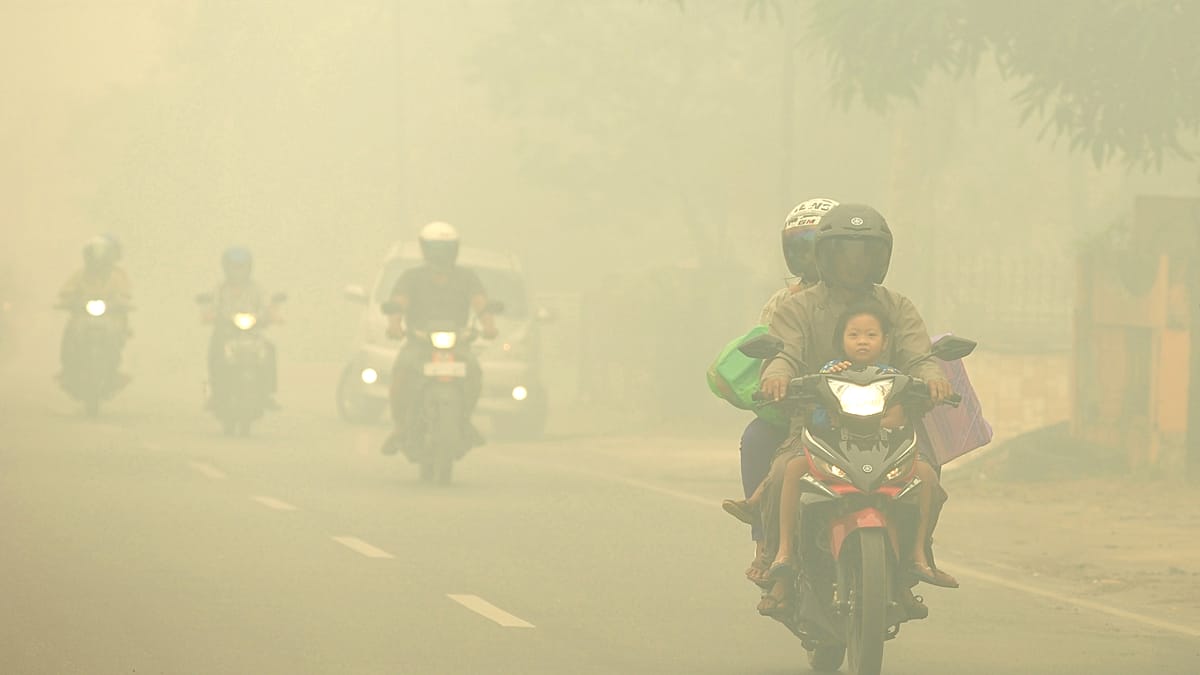
Thick smoke from ongoing wildfires in Indonesia has turned skies orange in Palangkaraya and significantly reduced visibility in Singapore. The regional air pollution crisis has persisted for several months.
A prolonged series of wildfires in Indonesia has resulted in a severe air quality crisis affecting neighboring countries, most notably Singapore. In the Indonesian city of Palangkaraya, the smoke has become so dense that it has turned the sky a deep, apocalyptic orange, disrupting daily life and visibility. The haze has traveled across the region, causing the iconic Marina Bay Sands hotel in Singapore to be partially obscured by the thick blanket of smoke.
While the environmental impact is clear, the sources of these fires are often linked to land-clearing practices for agriculture, though the current report focuses primarily on the atmospheric consequences. The situation remains an ongoing environmental challenge for Southeast Asia, as the smoke continues to blanket urban centers and pose health risks to residents. The intensity of the haze is attributed to months of continuous burning, which has overwhelmed local efforts to contain the flames and mitigate the resulting air pollution.
📡 Media Analysis
How each outlet framed the story — angles, word choices, and what they chose to push or ignore.
Focused on the visual drama of the event to highlight the scale of the environmental crisis.
"apocalyptic orange"
✓ Only outlet to report: Identified Palangkaraya as the specific Indonesian city experiencing the most intense visual effects of the smoke.
🔍 What Nobody's Reporting
- ·Lack of information regarding the specific causes of the wildfires, such as illegal slash-and-burn agricultural practices.
- ·Absence of data on the health impact or government response measures currently being implemented.
📰 Sources
0 A-rated source(s) among 1 total. Lowest trust: Euronews (B)