
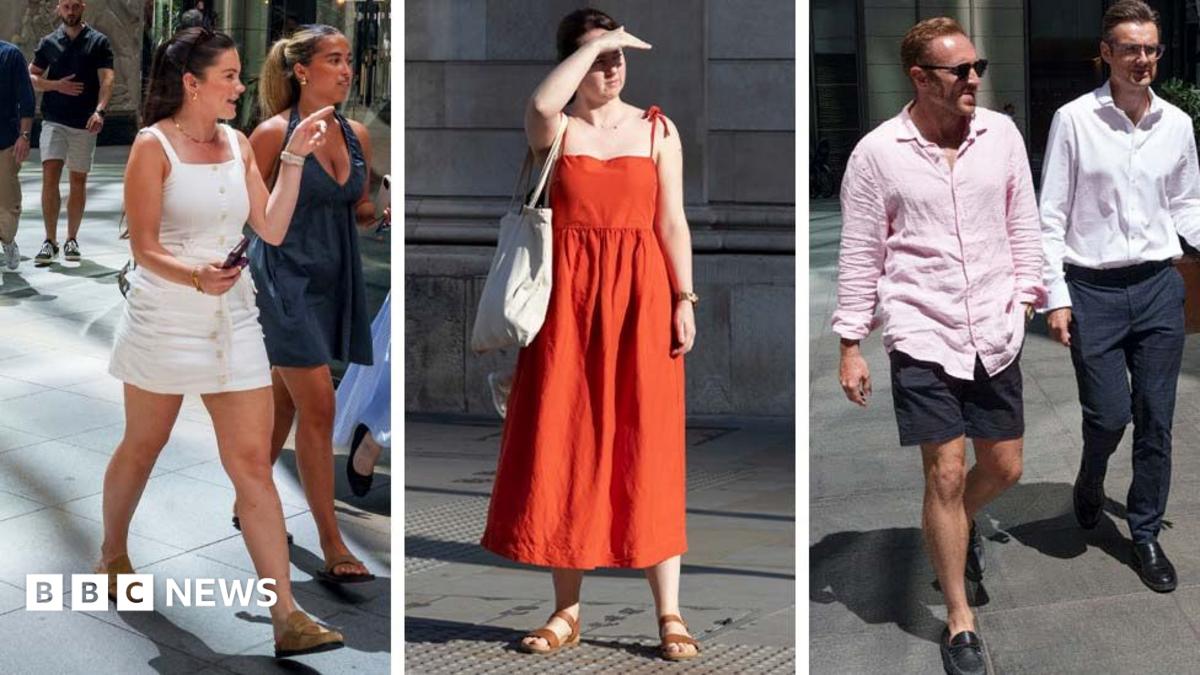
Workplace Dress Codes and Summer Attire: Employer Rights and Employee Expectations
As temperatures rise, many employees seek to adjust their professional attire to stay comfortable. This report examines the legal and professional boundaries regarding whether employers can mandate specific clothing standards during summer months.
The arrival of summer often creates a tension between workplace dress codes and the desire for personal comfort. Employers generally maintain the legal right to set dress codes, provided they are applied consistently and do not discriminate against protected characteristics such as religion, gender, or disability. While many modern offices have adopted more casual 'smart-casual' policies, the expectation for professional appearance remains a standard component of employment contracts in many sectors.
Legal experts note that while an employer can dictate that staff avoid items like strappy tops, shorts, or sandals, these policies must be reasonable and clearly communicated. If a dress code is enforced, it must be applied equally to all employees. For instance, if a company prohibits open-toed footwear for safety reasons, this rule must apply to everyone regardless of gender. However, if a dress code is based solely on aesthetic preferences, employees may have room to negotiate for more breathable fabrics or styles that still meet a 'professional' threshold.
Ultimately, the balance between comfort and professionalism often depends on the specific industry. Client-facing roles typically maintain stricter requirements compared to internal or creative positions. Experts suggest that employees looking to adjust their summer wardrobe should review their employee handbook and discuss potential changes with human resources rather than assuming casual attire is acceptable. Clear communication remains the most effective way to avoid disciplinary action while navigating the heat.
📡 Media Analysis
How each outlet framed the story — angles, word choices, and what they chose to push or ignore.
Framed the issue as a practical guide for employees to balance professional expectations with personal comfort.
"style for success"
🔍 What Nobody's Reporting
- ·Lack of specific legal precedents or court cases regarding dress code disputes.
- ·No mention of how remote work trends have permanently altered traditional office dress code expectations.
📰 Sources
1 A-rated source(s) among 1 total. Lowest trust: BBC Business (A)