
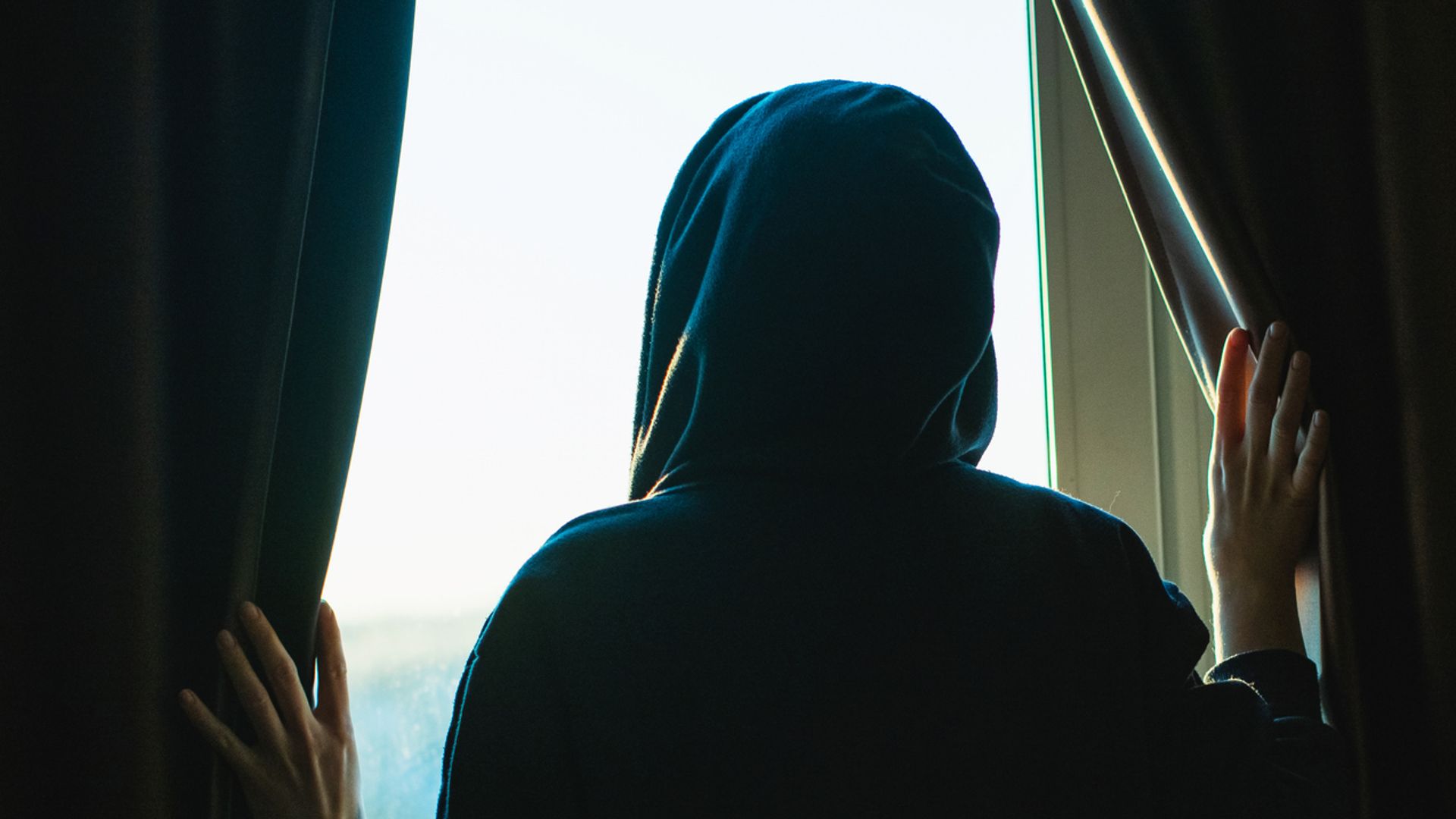
Young adults account for nearly one-third of anxiety-related disability claims
New data indicates that individuals in their teens and early twenties represent approximately 30% of all Personal Independence Payment (PIP) claimants citing anxiety disorders. This trend highlights a significant shift in the demographic profile of disability benefit applicants in the UK.
Recent figures have brought attention to the rising number of young people seeking government support for mental health conditions. According to the data, nearly one-third of all Personal Independence Payment (PIP) claims categorized under anxiety disorders are now filed by teenagers and young adults. This statistic has sparked a broader conversation regarding the state of mental health among the younger generation and the subsequent impact on the national welfare system.
While the data provides a clear snapshot of the current claimant demographic, it does not explicitly detail the underlying causes for this increase. The report focuses on the volume of claims, leaving room for interpretation regarding whether this represents a genuine rise in clinical anxiety or an increased willingness among younger people to seek formal support and state assistance. The figures serve as a primary indicator for policymakers assessing the long-term sustainability of disability support programs. As the number of claimants continues to be a subject of public interest, the data remains a focal point for those debating how the government should address mental health challenges in the youth population.
📡 Media Analysis
How each outlet framed the story — angles, word choices, and what they chose to push or ignore.
Presented the raw data as a straightforward demographic trend without adding political commentary.
"almost one-third"
🔍 What Nobody's Reporting
- ·Lack of context regarding whether this is a record-breaking increase or a steady trend over time.
- ·Absence of expert analysis on why anxiety is specifically driving these disability claims among youth.
📰 Sources
0 A-rated source(s) among 1 total. Lowest trust: Sky News UK (B)