
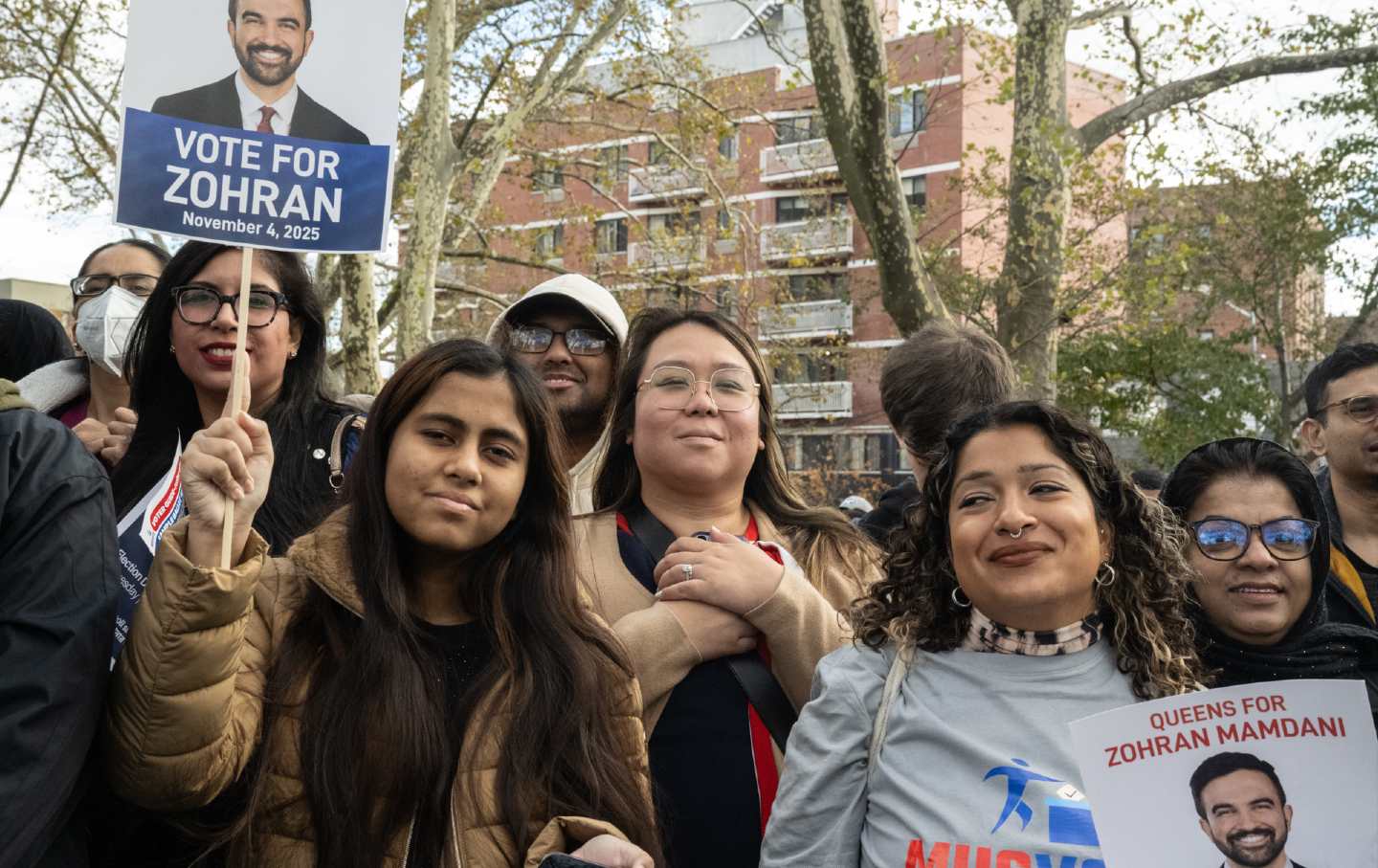
Zohran Mamdani’s Campaign Strategy and Political Impact
Zohran Mamdani’s recent political campaign is being analyzed for its broader impact on grassroots organizing and policy discourse. The campaign is noted for its focus on community-level engagement as a primary driver of political change.
Zohran Mamdani’s recent campaign has drawn attention for its emphasis on grassroots organizing rather than traditional policy-focused political strategies. Analysts suggest that the campaign’s success may lie in its ability to build long-term community power, which some argue is a more significant achievement than simply shifting the political spectrum to the left. By prioritizing direct engagement with constituents, the campaign sought to create a foundation for sustained political participation that extends beyond a single election cycle.
While the campaign is often discussed in the context of progressive policy goals, the core argument presented by observers is that its true value was the mobilization of people. This approach prioritizes the development of local leadership and collective action. The campaign’s methodology reflects a broader debate within political circles about whether electoral success is best achieved through high-level policy advocacy or through the foundational work of community building. There is little disagreement on the fact that Mamdani’s campaign utilized a non-traditional strategy, though the long-term effectiveness of this approach remains a subject of ongoing discussion among political observers.
📡 Media Analysis
How each outlet framed the story — angles, word choices, and what they chose to push or ignore.
Framed the campaign as a transformative model for grassroots organizing rather than just a political race.
"It’s the people, stupid."
✓ Only outlet to report: The explicit argument that the campaign's value lies in community power-building rather than policy shifts.
⚡ Where Sources Disagree
- ·Whether the campaign's primary accomplishment was policy-based or community-based.
🔍 What Nobody's Reporting
- ·Lack of data or specific examples regarding the campaign's actual policy outcomes.
- ·Absence of perspectives from political opponents or critics of the campaign's strategy.
📰 Sources
0 A-rated source(s) among 1 total. Lowest trust: The Nation (B)